How to Build Concrete Steps and Porches: 2026 Guide
Concrete steps and porches are constructed by pouring high-strength concrete into custom-built wooden forms reinforced with steel rebar. The process requires professional site excavation, a compacted gravel sub-base, and precise leveling to ensure proper drainage. For Fairfax County homes, these structures provide durable, code-compliant entryways that withstand heavy foot traffic and local weather.
What is the best way to install concrete steps and porches?
Installing concrete steps and porches effectively requires a blend of engineering precision and artistic finishing. The best approach starts with a deep understanding of the local landscape. In Fairfax County, the soil can range from sandy to heavy clay, which means your foundation must be rock-solid to prevent shifting or cracking over time. A professional installation involves more than just dumping wet cement into a hole; it is a multi-step sequence that ensures the structure is anchored correctly to your home’s existing foundation.
First, the footprint of the porch or steps must be clearly marked and excavated. This isn't just about clearing grass; it involves removing organic material that could decay and create voids under the slab. Once the area is cleared, a thick layer of crushed stone or gravel is laid down and compacted. This sub-base is critical because it provides a stable platform and allows for proper water drainage. Without it, the freeze-thaw cycles common in the Mid-Atlantic region would quickly cause your new concrete to heave and crack. For those looking to integrate these structures with their paths, checking out our guide on Concrete Walkways can provide additional context on how these elements work together.
After the base is set, the framing or 'formwork' is built. This is where the shape of your steps and porch comes to life. High-quality lumber is used to create the walls that will hold the liquid concrete in place. Professionals use laser levels to ensure every step has the exact same rise and run, which is a vital safety requirement under local building codes.
Essential Steps for a Successful Concrete Porch Installation
When we talk about a successful installation, we are looking at a project that remains beautiful and functional for thirty years or more. Success is found in the details of the preparation phase. One of the most common mistakes DIYers make is failing to account for the 'pitch' or slope of the porch. A porch must slope slightly away from the house—usually about a quarter-inch per foot—to prevent water from pooling against the siding or foundation.
Key components of a successful installation include:
- Comprehensive site evaluation and soil testing.
- Precise excavation to the required frost line depth.
- Installation of a compacted 4-to-6-inch gravel sub-base.
- Secure attachment to the house foundation using galvanized bolts.
- Application of a high-quality concrete mix designed for outdoor use.
Choosing the right materials is just as important as the labor. In Fairfax County, we often recommend a concrete mix with a higher PSI (pounds per square inch) rating to handle the weight of heavy porches and the potential for salt exposure during winter months. We also ensure that the concrete is 'air-entrained,' which means it contains microscopic bubbles that allow the material to expand and contract without fracturing. If you have existing structures that are showing signs of age, you might want to consider Concrete Repair before starting a completely new project.
Is rebar necessary for concrete stairs?
Yes, rebar is absolutely necessary for concrete stairs and porches. While concrete is incredibly strong in terms of compression (pushing down), it is relatively weak in terms of tension (pulling apart). Steel rebar acts as the 'skeleton' of the structure, providing the tensile strength needed to hold the concrete together if the ground underneath shifts slightly. Without reinforcement, the weight of the stairs themselves could cause them to pull away from the porch or develop deep structural cracks.
In Fairfax County, building inspectors typically look for a specific grid pattern of rebar, often spaced 12 to 18 inches apart. We use Grade 60 steel to ensure maximum durability. The rebar is suspended in the middle of the form using 'chairs' or small blocks so that it ends up completely encased in concrete. This protects the steel from rusting while allowing it to distribute loads evenly across the entire surface.
For larger porches, we also incorporate wire mesh in addition to rebar for surface-level reinforcement. This combination minimizes the risk of 'shrinkage cracks' that can occur as the concrete cures. Structural integrity is our top priority, and we never cut corners on the internal components that you won't see once the job is finished. A solid core is what makes our work stand out in the local community.
The Pouring and Leveling Process
Once the forms are inspected and the rebar is tied, it’s time for the pour. This is a high-energy phase where timing is everything. Concrete begins to set the moment it leaves the truck, so our team works quickly and efficiently to move the material into the forms. We use vibration tools to ensure the wet concrete fills every corner of the steps and surrounds the rebar perfectly, eliminating air pockets that could weaken the structure.
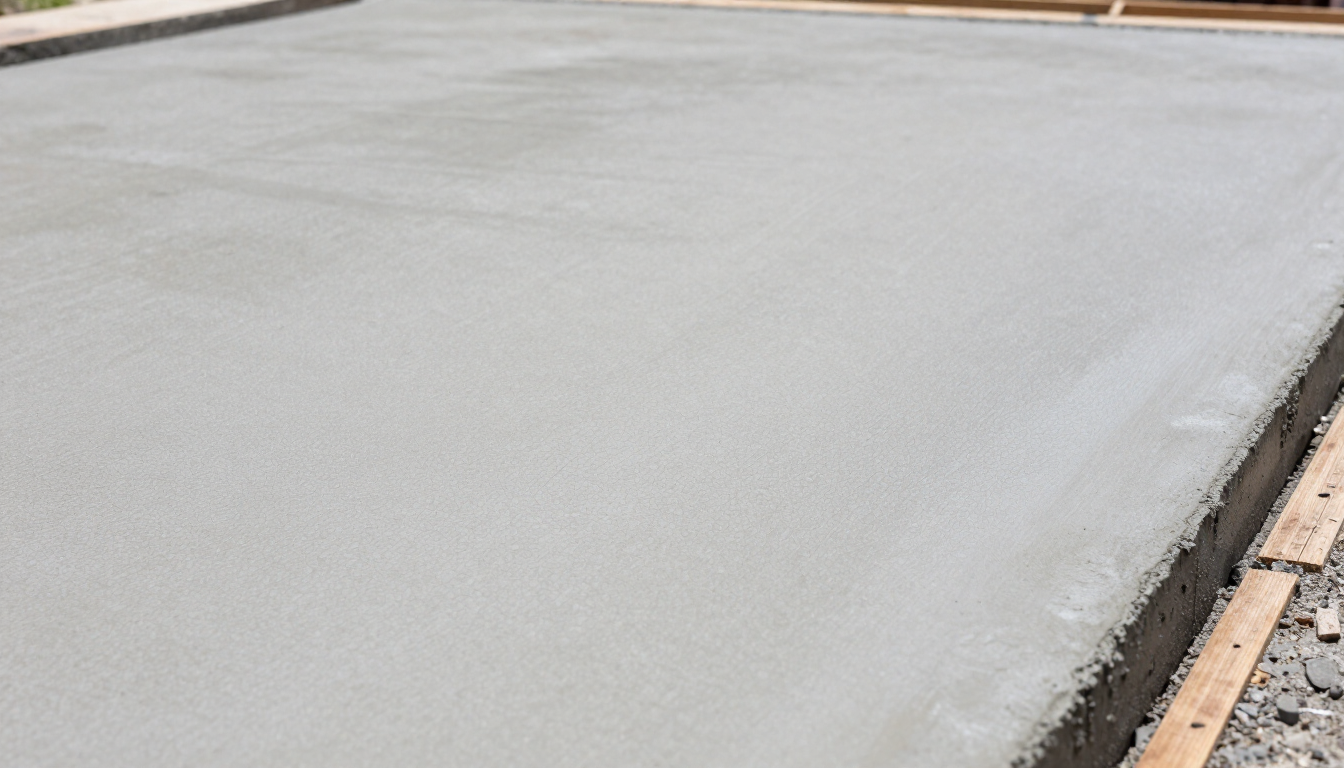
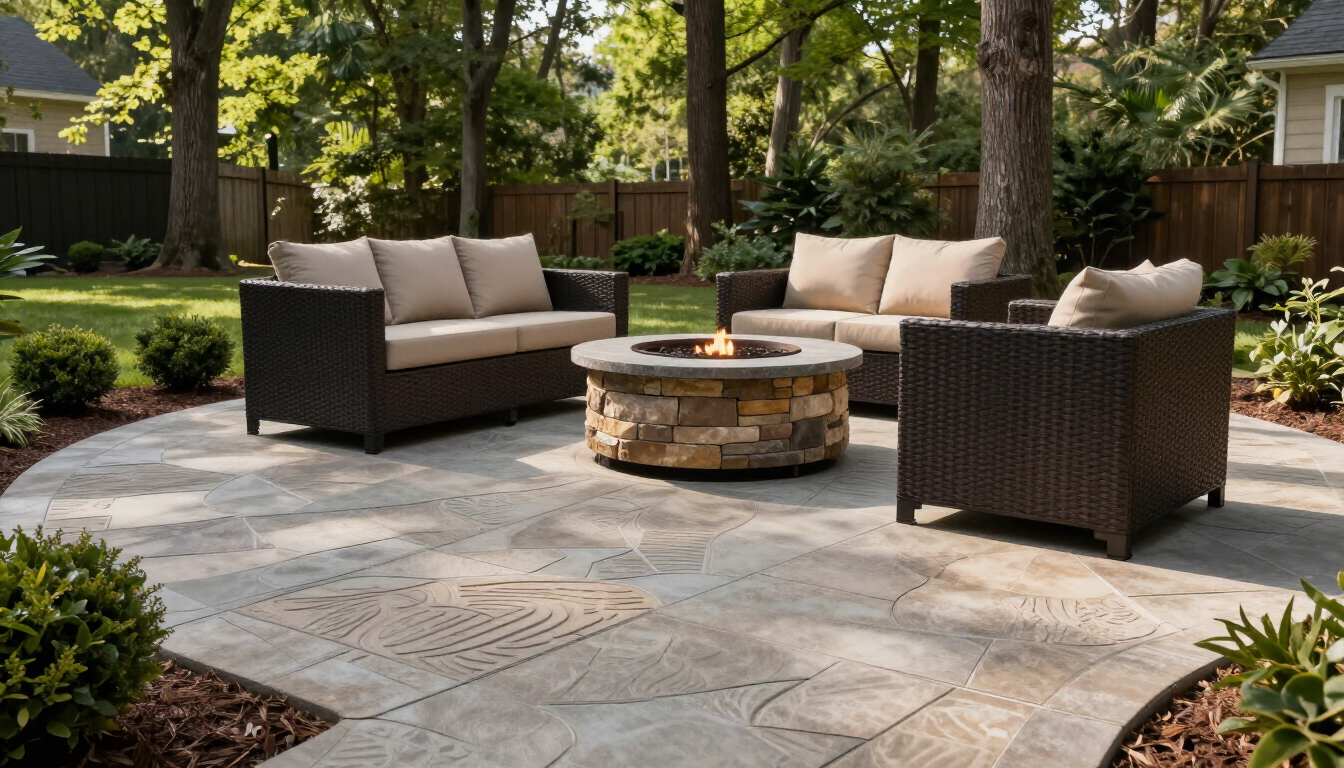
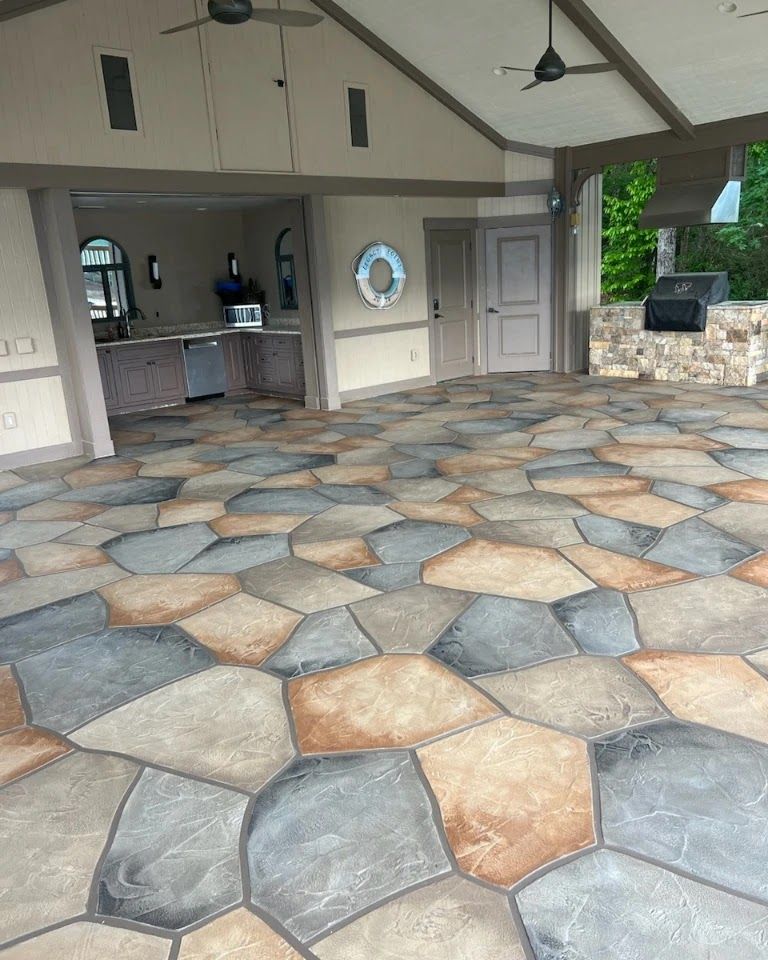
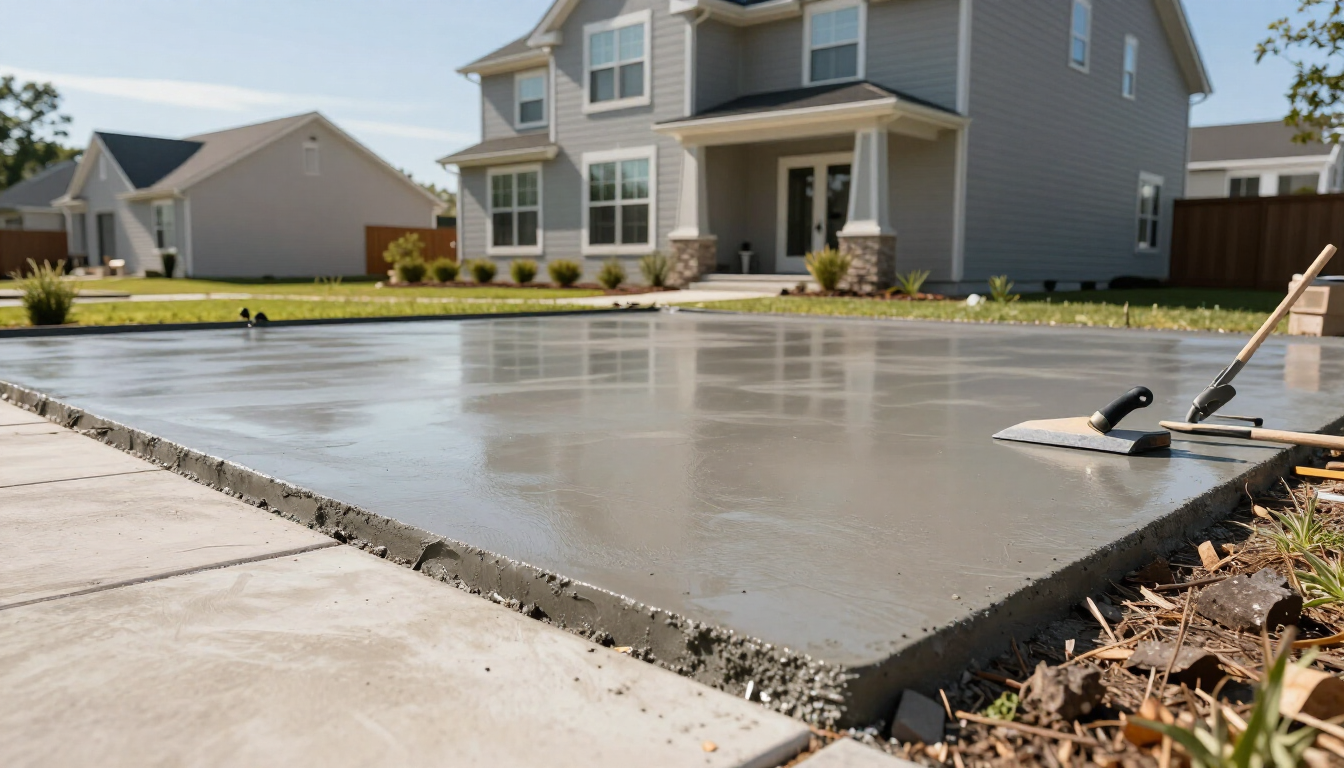
Leveling, also known as 'screeding,' happens immediately after the pour. We use a long, straight board to pull the excess concrete across the top of the forms, creating a flat, even surface. After screeding, we use 'bull floats' to push down the large aggregate and bring the 'cream' or fine cement to the surface. This creates a smooth canvas for whatever finish the homeowner has chosen, whether it's a simple broom finish for slip resistance or something more decorative like Stamped Concrete .
How long does a new concrete porch take to dry?
One of the most frequent questions we get is about the 'drying' time. It is important to distinguish between drying and curing. Concrete doesn't actually 'dry' by evaporation; it hardens through a chemical reaction called hydration. While you can usually walk on your new steps within 24 to 48 hours, the concrete continues to gain strength for weeks.
Timeline expectations for your new porch:
- 24 hours: Safe for light foot traffic (pets and people).
- 7 days: Reaches approximately 70% of its full design strength.
- 28 days: Fully cured and ready for heavy furniture or planters.
- 30 days: The ideal time to apply a high-quality sealer.
During the first few days, it is vital to keep the concrete moist, especially if the weather in Fairfax is particularly hot or windy. We might recommend 'wet curing,' which involves spraying the surface with a fine mist of water or covering it with plastic sheets. This prevents the surface from drying out too fast, which is the leading cause of surface scaling and dusting. If you have questions about your specific project timeline, feel free to Contact Us for expert advice.
Why should you hire a local concrete professional?
Homeowners often wonder if they can tackle concrete steps as a weekend project. While a small pad might be manageable, steps and porches are structural elements that require a permit in most parts of Virginia. A local professional like Concrete Sergeant understands the specific depth of the frost line in Fairfax County, ensuring your footings are deep enough to prevent the entire structure from tilting over time. We also handle the complexities of local zoning laws and permit applications, so you don't have to navigate the bureaucracy yourself.
Furthermore, professional contractors have access to industrial-grade equipment and specialized concrete mixes that aren't available at big-box home improvement stores. We ensure that your porch is not only beautiful but also engineered to support the weight of your home's roofline if the porch is covered. When you work with a veteran-led team, you are getting a level of discipline and attention to detail that guarantees the job is done right the first time, preventing costly repairs down the road.
Maintenance Tips for Long-Lasting Concrete
Even the best-built concrete needs a little love to stay in top shape. The climate in our region can be tough on masonry, with humid summers and icy winters. The best thing you can do for your concrete steps and porches is to keep them clean. Sweeping away debris prevents organic stains, and a gentle pressure wash once a year can remove built-up grime.
Crucial maintenance steps for homeowners:
- Avoid using harsh de-icing salts in the winter.
- Seal the concrete every 2 to 3 years to block moisture.
- Repair any small surface cracks immediately to prevent water intrusion.
- Ensure gutters and downspouts are directed away from the concrete base.
Sealing is particularly important. A good penetrating sealer acts like a raincoat for your concrete, preventing water from soaking into the pores and freezing. This simple step can add decades to the lifespan of your entryways. By following these basic guidelines, you can ensure that your investment in your home's curb appeal remains a source of pride for years to come.
Summary of Concrete Installation Key Takeaways
Installing concrete steps and porches is a significant home improvement that enhances both safety and curb appeal. By focusing on structural integrity and local code compliance, you ensure a lasting result.
- Foundation First: A compacted gravel sub-base is non-negotiable for preventing shifts.
- Reinforcement Matters: Steel rebar provides the necessary tensile strength for steps.
- Proper Drainage: Always ensure a slight slope away from the home to protect your foundation.
- Curing Time: Allow at least 24 hours before walking on new surfaces and 28 days for full strength.
- Professional Help: Hiring a local expert ensures permits are handled and the frost line is respected.
Whether you are looking to replace crumbling old steps or add a grand new porch to your Fairfax County home, understanding these principles is the first step toward a successful project. Concrete Sergeant is here to provide the durable, veteran-led craftsmanship your home deserves.