Freeze-Thaw Concrete Damage: 5 Ways to Protect NoVA Homes

September 14, 2026

Share this article

Freeze-thaw concrete damage occurs when moisture trapped inside concrete pores freezes and expands by 9%, creating internal pressure that leads to cracks, spalling, and scaling. In Northern Virginia, frequent temperature fluctuations during winter make driveways and patios particularly vulnerable to this destructive cycle without proper sealing and maintenance.

How does Northern Virginia weather affect concrete?

Residents of Northern Virginia, particularly in areas like Springfield, VA and Alexandria, VA , are all too familiar with the "yo-yo" effect of winter temperatures. Unlike the consistent deep freeze of the North or the mild winters of the Deep South, the Mid-Atlantic climate is defined by high humidity and rapid temperature swings. During a typical January day in Fairfax County, the temperature may rise above freezing in the afternoon, allowing snow or ice to melt into liquid water, only to plummet back into the teens overnight.

This cycle is the primary driver of concrete degradation. When the snow melts, the liquid water seeks the path of least resistance. Concrete, despite its solid appearance, is actually a porous, sponge-like material. It is filled with microscopic capillaries and air voids formed during the curing process. As water seeps into these pores and then freezes, it exerts massive outward pressure—up to 30,000 psi. Over several winters, these repeated cycles of expansion and contraction weaken the internal structure of the concrete, eventually manifesting as visible surface damage.

Furthermore, the soil composition in Northern Virginia often consists of heavy clay. Clay retains moisture for long periods, meaning the ground beneath your concrete driveways or walkways stays saturated. When that wet soil freezes, it can cause the entire slab to heave upward, creating structural cracks that further expose the concrete to the elements.

What causes freeze-thaw concrete damage?

While temperature is the catalyst, several underlying factors contribute to the severity of freeze-thaw concrete damage. Understanding these causes is the first step toward effective prevention.

  1. High Porosity: Concrete with a high water-to-cement ratio during the initial pour results in more capillary voids. These voids act as reservoirs for water.
  2. Lack of Air Entrainment: Modern concrete mixes for exterior use should include microscopic air bubbles (air entrainment) that provide "relief valves" for expanding ice. Older slabs often lack this protection.
  3. Chemical De-icers: Rock salt (sodium chloride) lowers the freezing point of water but also increases the number of freeze-thaw cycles the concrete undergoes in a single day.
  4. Poor Surface Drainage: When water pools on a surface instead of running off, it has more time to penetrate the pores.
  5. Lack of Protective Sealant: Unsealed concrete is completely exposed to moisture infiltration, making it an easy target for ice expansion.

The chemical impact of de-icing salts is particularly noteworthy. While salts keep your family safe from slips and falls, they are hygroscopic—meaning they attract and hold water. This keeps the concrete more saturated than it would be naturally. Additionally, the salt can react with the calcium hydroxide in the concrete, leading to chemical degradation that worsens the mechanical damage caused by the ice.

Identifying Early Signs of Surface Scaling

Before a driveway completely crumbles, it usually displays early warning signs. In Reston, VA and Falls Church, VA , homeowners should regularly inspect their outdoor surfaces for subtle changes. The most common early sign is "scaling," which refers to the loss of the thin, smooth top layer of the concrete. You might notice small, flakey pieces of concrete peeling away, revealing the rougher aggregate (stones and sand) underneath.

Another sign is "spalling." Spalling is more aggressive than scaling and involves larger chunks of concrete popping out of the surface. This often occurs near joints or edges where moisture concentration is highest. If you see white, powdery residue on the surface (known as efflorescence), it indicates that water is moving through the slab and carrying minerals to the surface—a clear sign that your concrete is not properly sealed.

If these signs are ignored, the damage will quickly progress from cosmetic to structural. Once the internal matrix of the concrete is compromised, water can reach the steel reinforcement (rebar) inside. When rebar rusts, it expands even more than ice does, leading to massive "blowouts" in the concrete that require a full concrete repair or total replacement. Identifying these issues in the autumn allows for preventative measures before the harsh winter begins.

When should you seal concrete in Fairfax County?

Timing is everything when it comes to concrete maintenance. To prevent freeze-thaw concrete damage, you must apply a high-quality sealer when the weather is still conducive to proper bonding. In Northern Virginia, the ideal window is typically between September and early November.

Applying a sealer requires specific environmental conditions:

  • Temperature: The ambient air and surface temperature should be between 50°F and 85°F.
  • Moisture: The concrete must be completely dry. We recommend at least 24 to 48 hours of dry weather before application.
  • Curing Time: The sealer needs time to chemically react and bond before the first hard frost or heavy rain.

If you wait until December to think about protection, you may be too late. Once the ground is frozen or the concrete is consistently damp, sealers will fail to penetrate or bond correctly, leading to a cloudy, peeling finish that offers no protection. For new concrete, such as a recently installed concrete patio , you should wait at least 28 days for the slab to fully cure before applying a penetrating sealer.

Strategic Drainage Solutions for Patios

Prevention isn't just about what you put on the concrete; it’s about where the water goes around it. Poor drainage is the silent partner of freeze-thaw concrete damage. If your patio or driveway is surrounded by soil that slopes toward the slab, or if your gutters discharge directly onto the concrete, you are inviting disaster.

Strategic drainage improvements can significantly extend the life of your concrete. This might include installing French drains along the edge of a driveway to whisk away groundwater or re-grading the lawn to ensure a positive slope away from the home’s foundation. For homeowners in Alexandria, VA , where properties are often closely packed, ensuring that runoff doesn't pool in low spots between houses is critical.

Furthermore, consider the joints in your concrete. These are designed to control where the concrete cracks, but they also act as channels for water. Filling these joints with a professional-grade elastomeric sealant prevents water from reaching the base material under the slab. When the base stays dry, it doesn't freeze and heave, keeping your concrete level and intact throughout the winter season.

How can you repair freeze-thaw damage?

If your concrete is already showing signs of distress, all is not lost. The approach to concrete repair depends on the depth and extent of the damage. For minor surface scaling, a high-strength concrete resurfacer can be applied. This involves cleaning the surface thoroughly, often with a pressure washer, and applying a thin layer of specialized cementitious material that bonds to the existing slab and provides a fresh, durable wear surface.

For deeper cracks or spalls, the process is more intensive:

  1. Remove Loose Material: Any crumbling concrete must be chipped away until sound, solid concrete is reached.
  2. Clean the Area: Dust and debris prevent new material from bonding.
  3. Apply Bonding Agent: This ensures the repair patch becomes one with the original slab.
  4. Fill and Level: Using a high-quality repair mortar, the void is filled and troweled to match the surrounding texture.
  5. Seal the Entire Slab: Once the repair has cured, the whole surface should be sealed to prevent the cycle from starting again.

In cases where the damage is widespread or the slab has shifted significantly due to soil heaving, replacement may be the only long-term solution. When we install new concrete slabs at Concrete Sergeant, we ensure the mix is engineered for the local climate, using the correct air-entrainment and PSI ratings to resist future freeze-thaw cycles.

Professional Concrete Maintenance Checklist

To keep your outdoor surfaces in top condition, follow this annual maintenance checklist every autumn before the first frost hits Northern Virginia:

  • Deep Clean: Pressure wash the surface to remove oil, dirt, and organic growth that can trap moisture.
  • Inspect Joints: Check for missing or cracked joint filler and replace it with flexible caulk.
  • Assess Sealant: Pour a small amount of water on the surface; if it doesn't bead up, it's time to re-seal.
  • Clear Gutters: Ensure downspouts are directed at least five feet away from concrete surfaces.
  • Stock Safe De-icers: Swap out rock salt for sand or calcium magnesium acetate (CMA), which is gentler on concrete.

Summary: Protect Your Investment This Winter

Freeze-thaw concrete damage is an avoidable consequence of Northern Virginia's volatile winter weather. By understanding that concrete is a porous material subject to extreme hydraulic pressure, homeowners can take proactive steps to mitigate risk. The key to longevity lies in preventing water infiltration through high-quality sealing, ensuring proper drainage, and avoiding the use of corrosive de-icing salts.

Core Takeaways for NoVA Homeowners:

  • Seal your concrete every 2-3 years using a silane-based penetrating sealer.
  • Address minor cracks immediately to prevent water from reaching the sub-base.
  • Ensure the surrounding landscape drains water away from your driveways and walkways.
  • Avoid rock salt; use sand for traction or CMA-based products for melting ice.

If you’re unsure about the health of your driveway or patio, now is the time to act. Professional evaluation and maintenance today can save thousands of dollars in replacement costs tomorrow. Whether you need a simple seal or a full structural repair, protecting your concrete ensures your home remains safe and beautiful for years to come.

Recent Posts

A beautiful modern concrete porch and entryway steps for a residential home.
September 29, 2026
Expert guide on installing concrete steps and porches in Fairfax County. Learn about site prep, rebar, pouring, and maintenance for durable homes.

Freshly installed concrete walkway in Fairfax
August 31, 2026
Discover essential tips for concrete walkway installation in Fairfax County, including safety, slope requirements, and drainage solutions for your home.
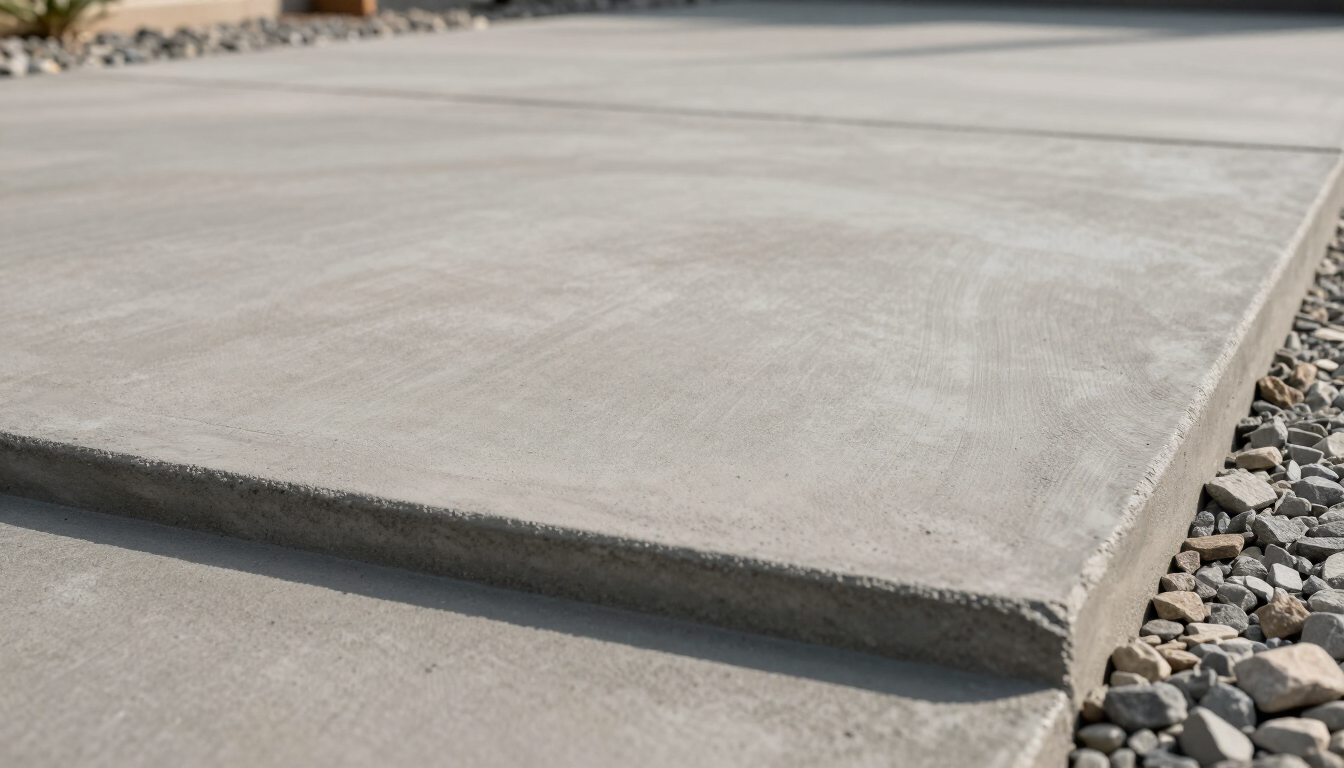
Cracked concrete driveway in Northern Virginia needing repair or replacement.
August 17, 2026
Deciding between concrete repair vs. replacement for your Northern Virginia home? Learn the signs of damage, cost factors, and when to call the experts in Alexandria and Arlington.
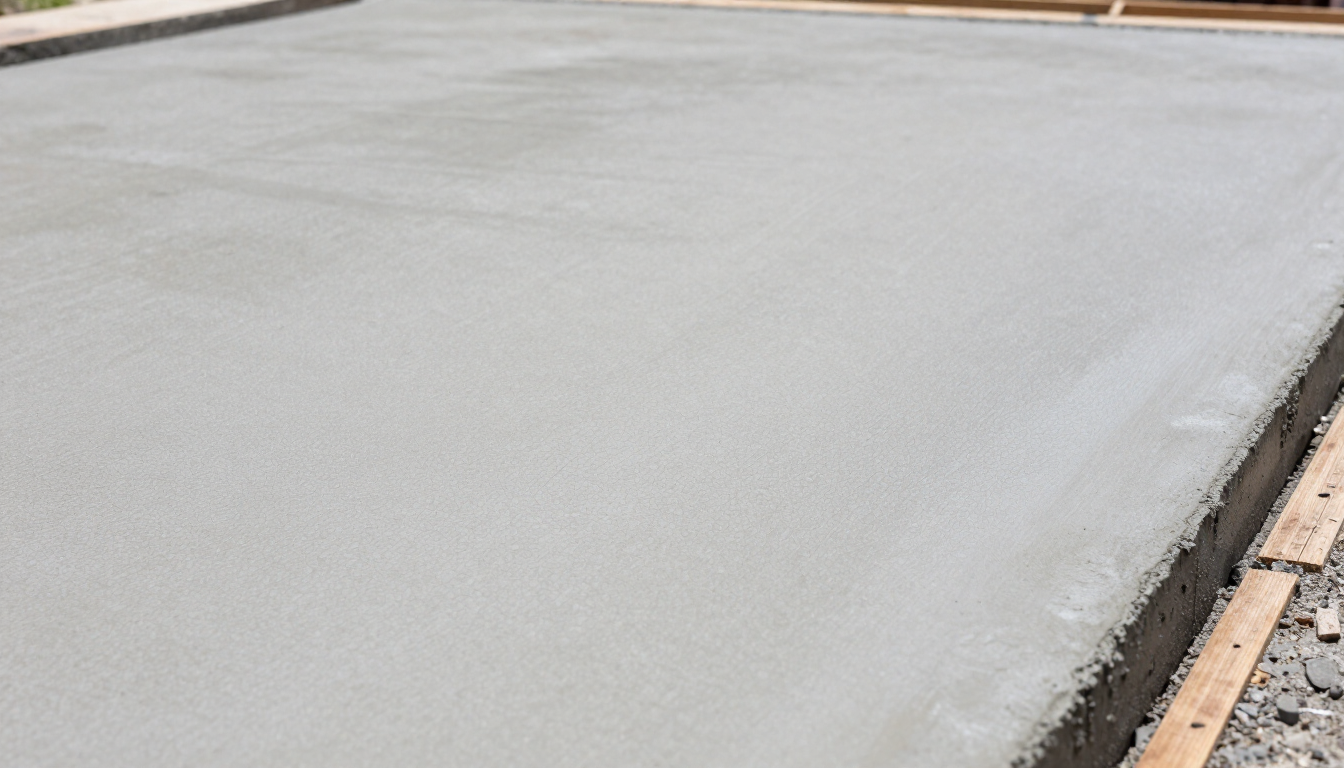
Freshly finished concrete slab in Fairfax County VA
August 3, 2026
Learn about concrete slab installation in Fairfax County, VA. Our guide covers base prep for Northern Virginia soil, garage slab costs, and expert construction tips.

A luxury stamped concrete patio in a Northern Virginia backyard with a modern fire pit.
July 21, 2026
Explore top concrete patio ideas for Northern Virginia homes. From stamped patterns to Fairfax County permits, learn how to upgrade your backyard today.
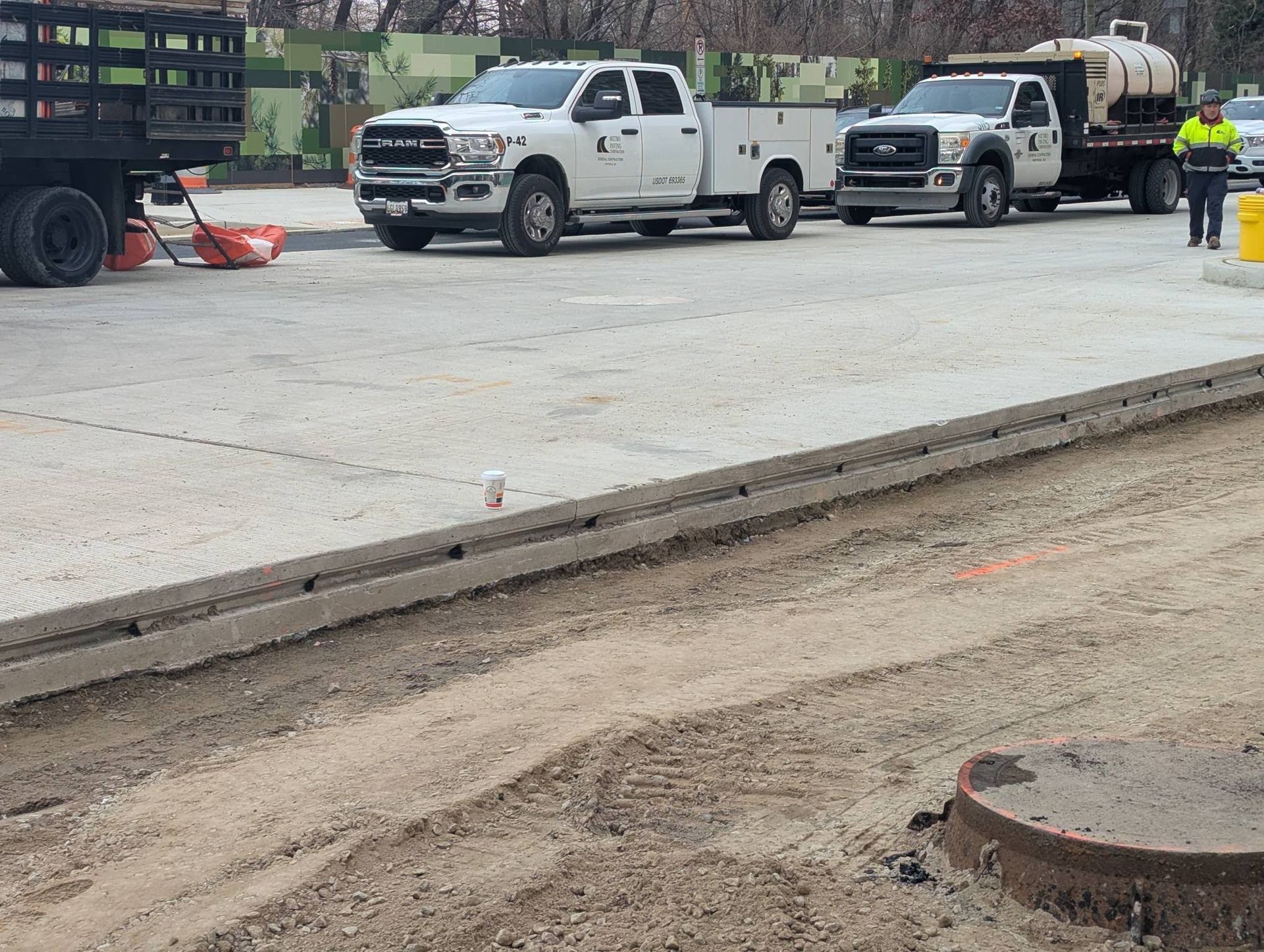
A freshly poured concrete driveway in a suburban Fairfax County neighborhood.
July 6, 2026
Learn the current costs for a concrete driveway in Fairfax County, VA. Discover pricing factors, permit requirements, and maintenance tips for Northern Virginia homeowners.
Detailed view of a stamped concrete patio versus stone pavers
June 25, 2026
Compare stamped concrete vs. pavers for your Fairfax, VA patio upgrade. Discover costs, maintenance, and durability for Northern Virginia homes.
Professional concrete preparation in Fairfax County suburb
June 8, 2026
Learn why Fairfax County concrete needs special preparation for clay soil and freeze-thaw cycles. Ensure your driveway or patio lasts with these expert tips.