5 Steps for Concrete Walkway Installation in Fairfax
A professional concrete walkway installation involves precise excavation, base preparation, and pouring to ensure proper drainage and safety. In Fairfax County, these paths must meet specific slope requirements (typically under 5%) and utilize slip-resistant finishes to guarantee long-term durability and ADA-compliant accessibility for Virginia homeowners.
How do I ensure proper drainage for a concrete walkway?
Proper drainage is the single most important factor in the longevity of any concrete walkways project. In Northern Virginia, where heavy spring rains and humid summers are common, water that pools next to your foundation or sits on your walkway can cause significant structural damage over time. When water isn't directed away from the path, it can seep into the sub-base, causing the soil to expand and contract, which eventually leads to unsightly cracks and shifting slabs.
To ensure your new path handles water correctly, your contractor must focus on the "pitch" or cross-slope of the concrete. A standard rule of thumb is a 1/4 inch drop for every foot of width. This subtle angle is barely noticeable to the eye but is enough to force gravity to pull water off the surface and into your lawn or drainage system. In areas like Sterling, VA, where clay-heavy soils are prevalent, drainage becomes even more critical because the ground does not absorb water as quickly as sandy environments.
Effective drainage strategies include:
- Installing a 4-inch compacted gravel base to allow water to filter through.
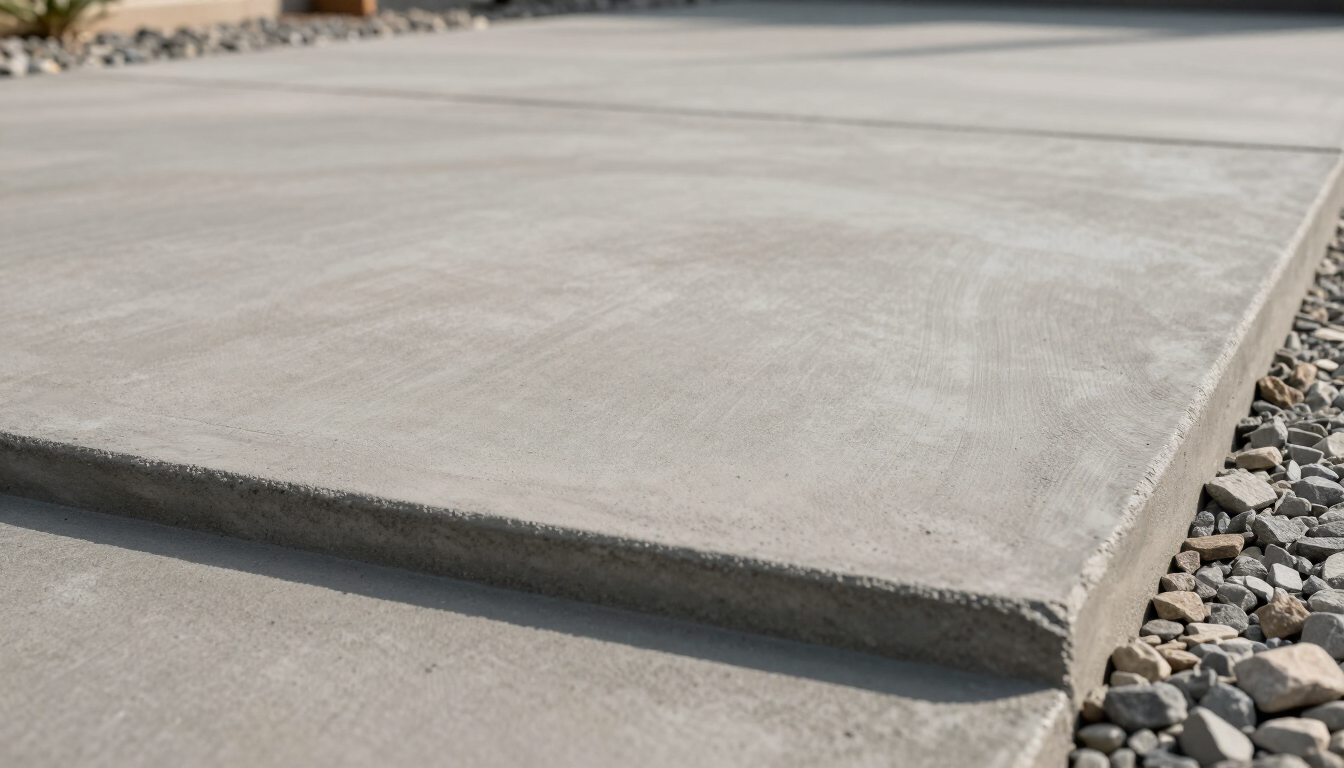
- Ensuring the finished concrete surface sits at least two inches above the surrounding soil.
- Grading the adjacent landscape to prevent runoff from flowing back onto the walkway.
- Utilizing French drains or trench drains in areas with severe elevation changes.
- Applying a high-quality sealer to prevent water from penetrating the concrete pores.
Key safety and slope requirements for Fairfax homes
Safety is paramount when designing front and side yard paths. Whether you are in the heart of Tysons Corner, VA or in the quieter streets of Falls Church, VA , your walkway must be navigable for all family members and visitors. This is where slope requirements and local building codes come into play. A walkway that is too steep becomes a slip hazard, especially during Virginia’s icy winter months.
According to standard safety guidelines and many local Fairfax County ordinances, the longitudinal slope (the steepness of the path as you walk along it) should ideally stay below 5%. If the terrain requires a steeper grade, the path may be classified as a ramp, which then triggers more stringent requirements such as handrails and specific landing platforms every 30 feet. For homeowners, staying within the "walking" grade ensures that the path is comfortable for everyone, from young children to those using mobility aids.
Beyond the slope, safety also involves the width of the path. A standard front walkway should be at least 36 to 48 inches wide to allow two people to walk side-by-side or pass each other comfortably. Side yard paths, which often see less traffic, can sometimes be narrower, but they should never sacrifice stability. Using rebar reinforcement during the installation process ensures that the walkway stays level and doesn't develop "tripping hazards" caused by uneven settling of the ground over time.
What are the best finish options for front yard paths?
Choosing the right finish for your concrete walkway is about balancing aesthetics with functionality. While a smooth, troweled finish might look sleek, it can become dangerously slippery when wet. For exterior paths in Virginia, where rain and snow are frequent, a textured finish is almost always the better choice. Homeowners have several popular options to choose from that enhance both the curb appeal and the safety of their property.
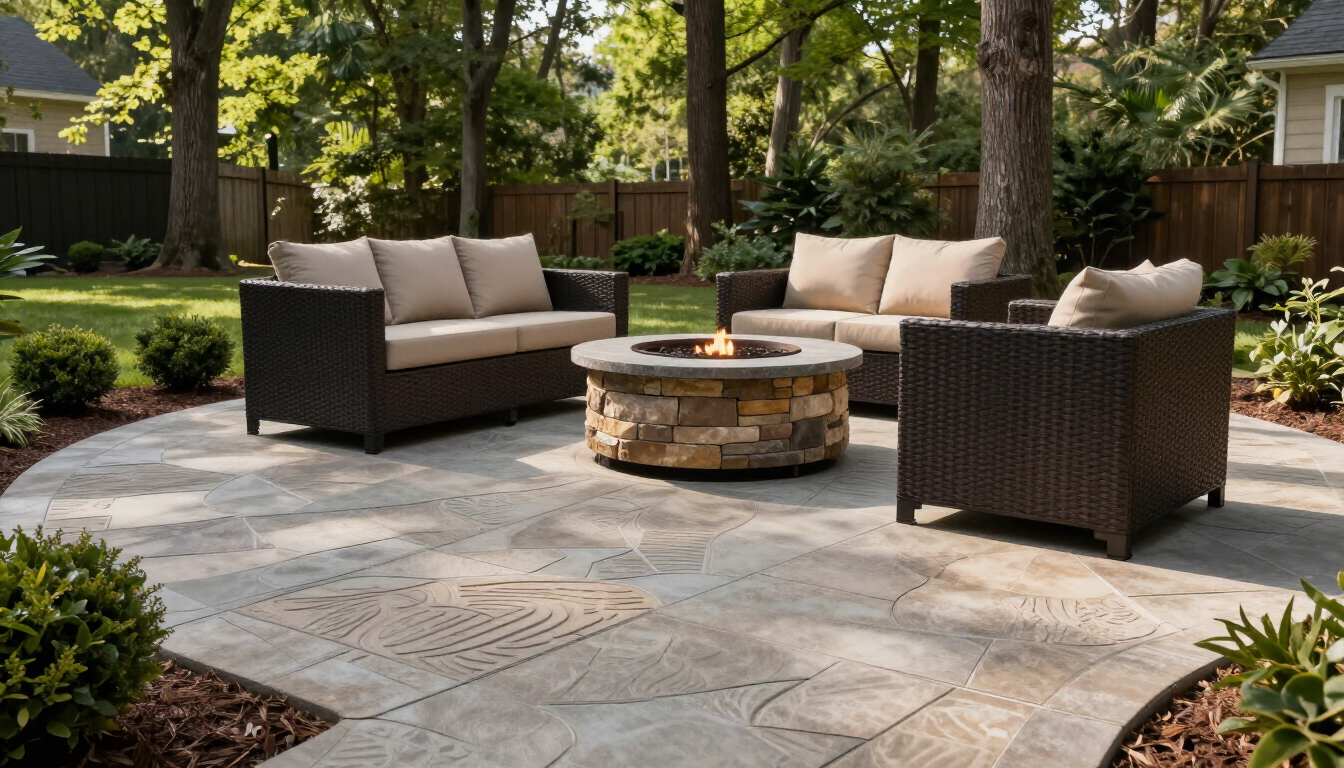
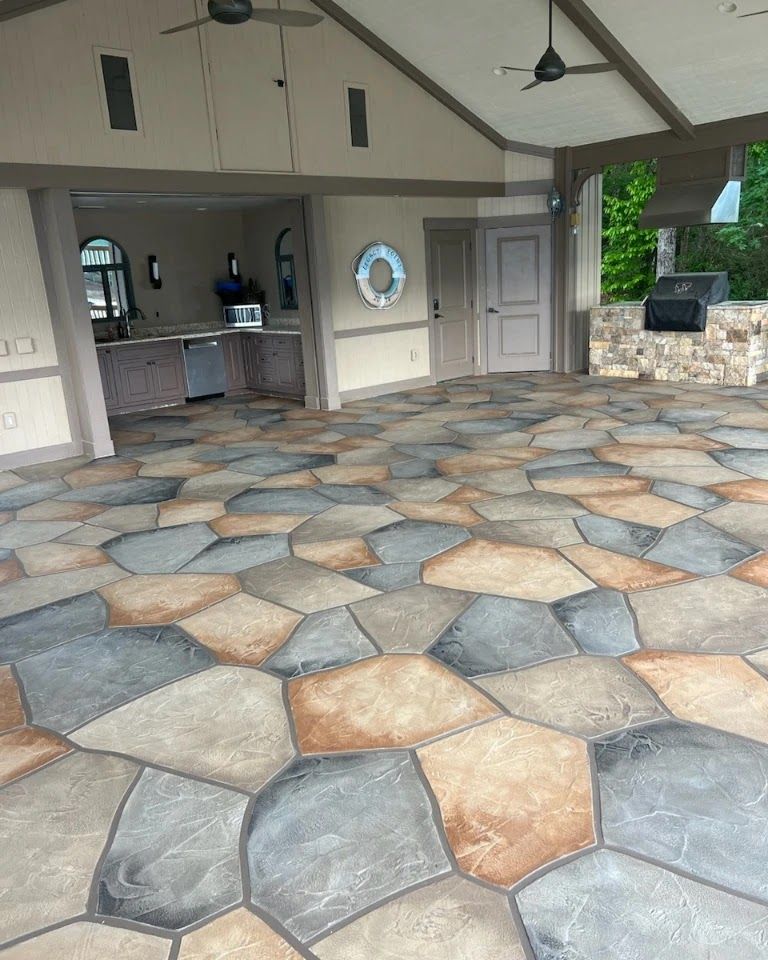
One of the most common choices is the traditional broom finish. After the concrete is poured and leveled, a specialized broom is pulled across the surface to create small, slip-resistant ridges. This is a cost-effective and highly durable option that works well for any style of home. If you are looking for something more decorative, stamped concrete is an excellent alternative. It allows you to mimic the look of natural stone, slate, or brick while maintaining the strength and low maintenance of a solid concrete slab.
Consider these finish options for your next project:
- Broom Finish : The gold standard for slip resistance and cost-efficiency.
- Exposed Aggregate : A rugged, pebble-like texture that provides excellent grip and a unique look.
- Stamped Concrete : Decorative patterns that add high-end curb appeal to front entrances.
- Salt Finish : Creates small pits in the surface for a weathered, rustic appearance.
- Colored Concrete : Integrated pigments that allow the path to blend with your home's exterior palette.
The step-by-step concrete installation process
A successful concrete walkway installation isn't just about pouring liquid stone; it’s about the preparation that happens before the truck even arrives. At Concrete Sergeant, we follow a rigorous process to ensure every foundation and path we build in the Leesburg, VA area stands the test of time. A poorly installed walkway will show its flaws within a single season, but a well-constructed one can last for decades.
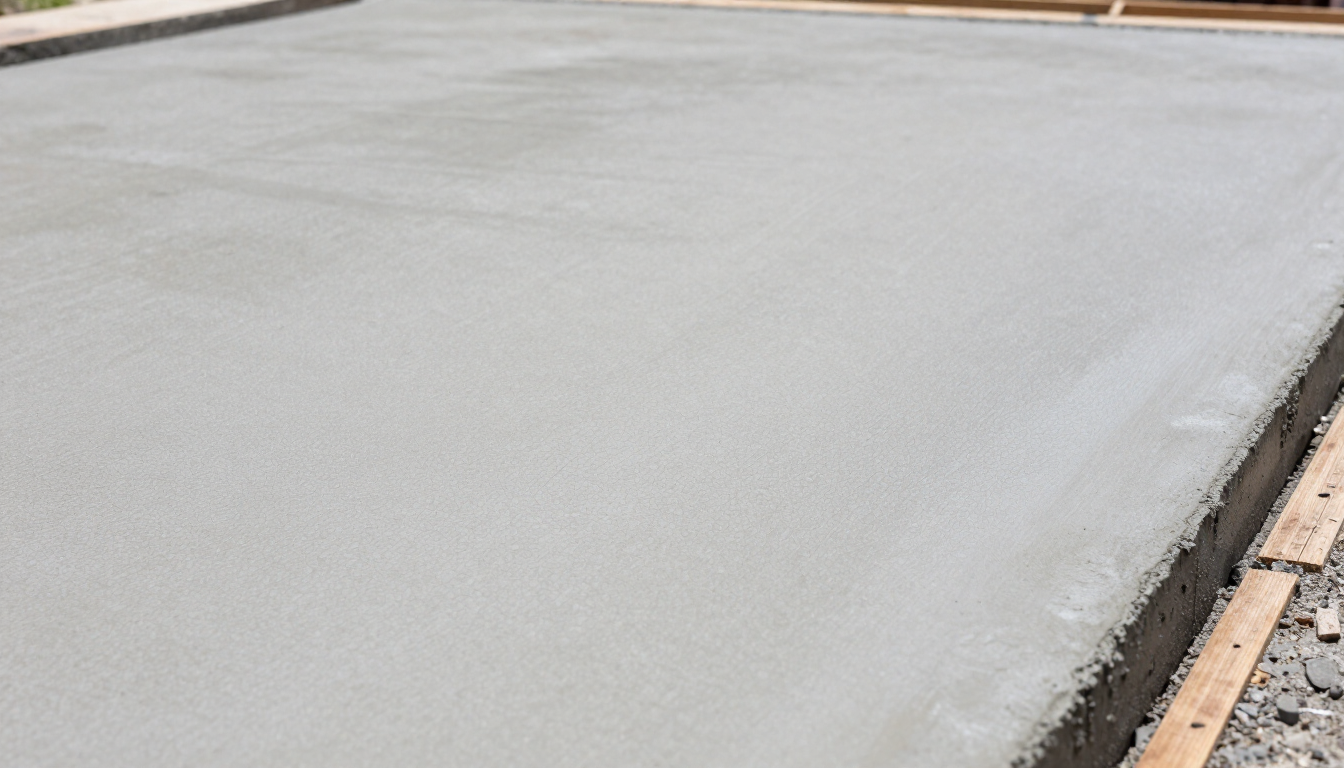
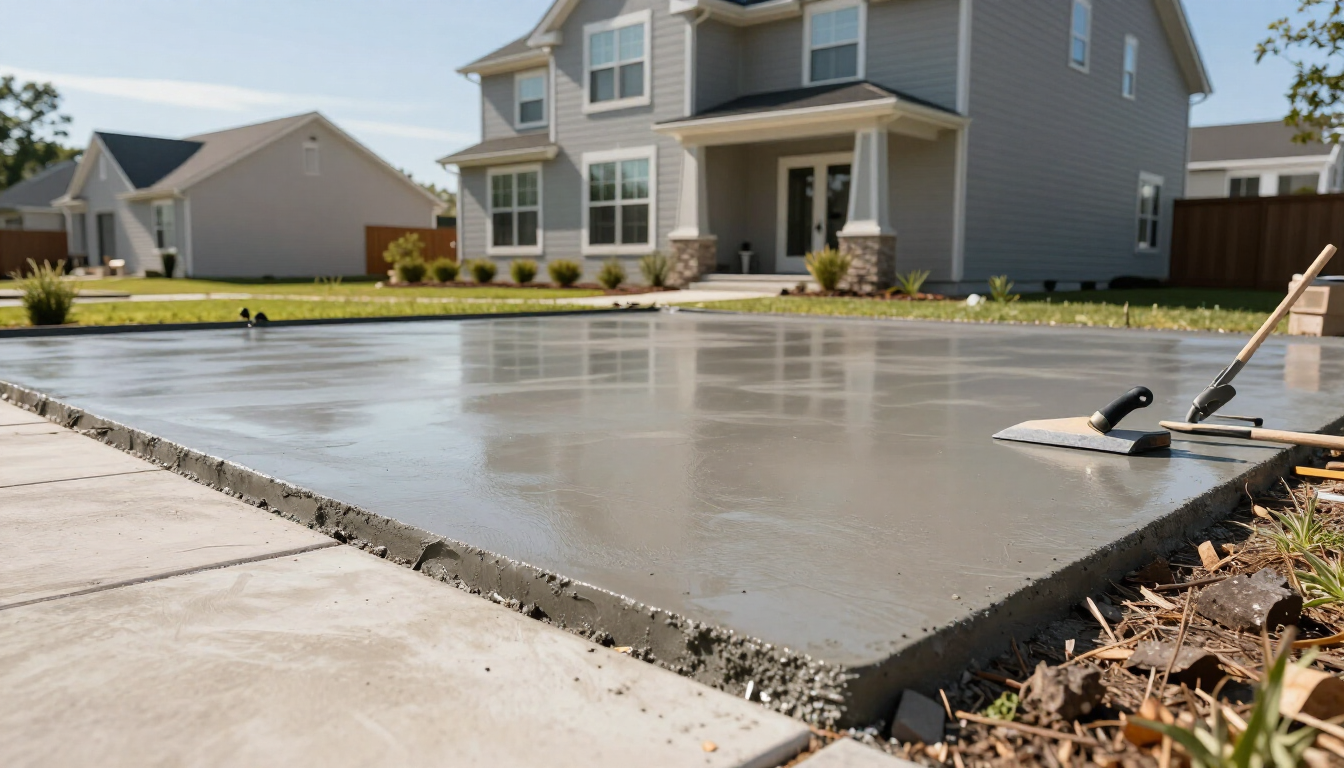
The process begins with a thorough soil inspection and site layout. We mark the path's dimensions and begin excavation, removing grass, roots, and soft topsoil to reach stable ground. Once the area is cleared, we install wooden forms to define the shape of the walkway. These forms are the "skeleton" of the project and must be perfectly aligned to ensure the final product is straight and level. After the forms are set, we add a layer of sub-base material—usually crushed stone—which is compacted to provide a solid, non-shifting platform for the concrete.
Next comes the reinforcement phase. We use rebar or wire mesh to increase the tensile strength of the concrete, preventing it from pulling apart under pressure. Once the reinforcement is in place, the concrete is poured, leveled with a screed, and "floated" to bring the cream to the surface for a smooth finish. Finally, control joints are cut into the wet concrete. These joints are intentional weak points that encourage the concrete to crack in a straight line rather than randomly, preserving the aesthetic integrity of the path as it settles.
How long does a new concrete walkway last?
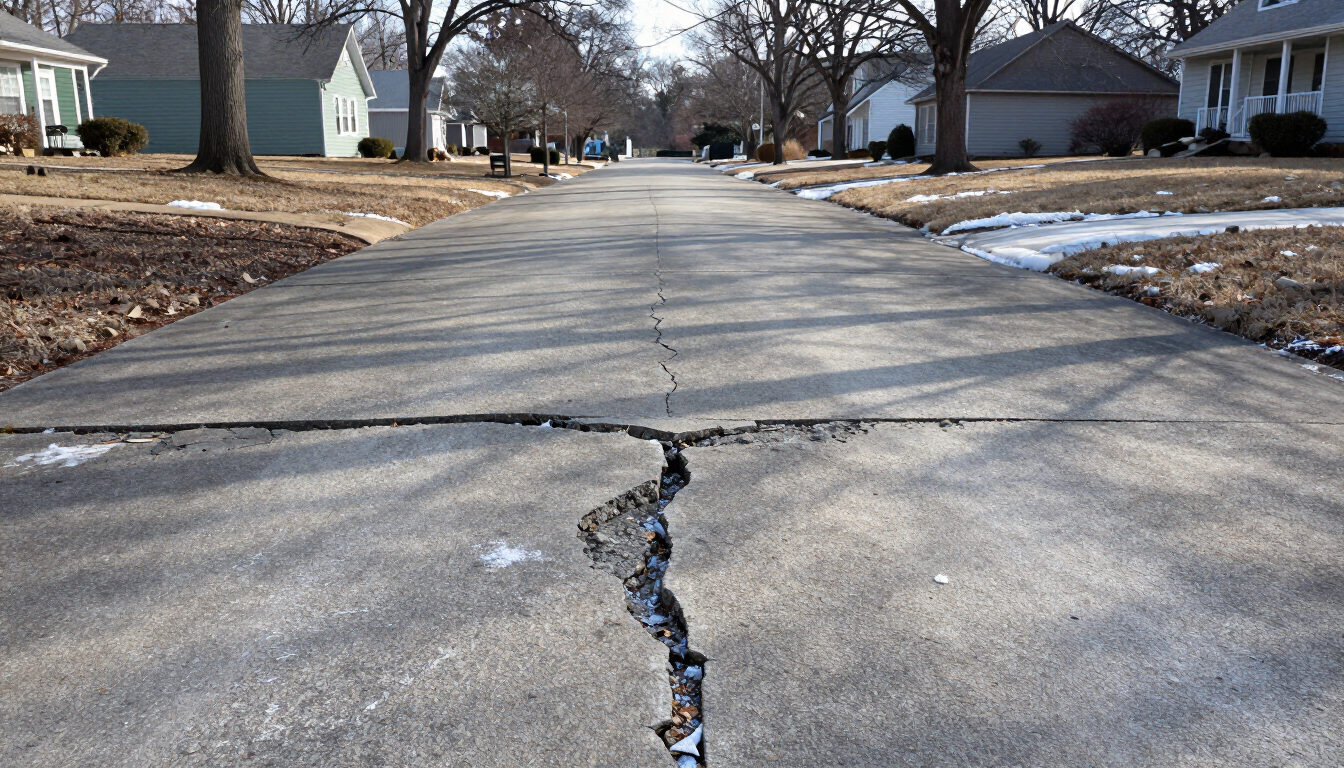
When installed correctly, a concrete walkway can easily last 30 to 50 years. However, its lifespan is heavily influenced by how well it was originally constructed and how it is maintained by the homeowner. In the Northern Virginia climate, the most significant threat to concrete longevity is the freeze-thaw cycle. When moisture enters the pores of the concrete and freezes, it expands, causing the surface to "spall" or flake off. This is why professional finishing and sealing are so vital.
To maximize the life of your walkway, it is important to avoid using harsh de-icing chemicals or rock salt during the winter. These chemicals can accelerate the breakdown of the concrete's surface. Instead, use sand for traction or look for "concrete-safe" ice melt products. Additionally, you should plan to reseal your walkway every 2 to 3 years. A good sealer acts as a waterproof barrier, preventing moisture and oils from penetrating the surface and keeping the concrete looking fresh and clean.
Maintenance checklist for Virginia homeowners:
- Inspect for small cracks every spring and fill them with concrete caulk.
- Clean the surface annually with a power washer to remove dirt and mildew.
- Re-apply a penetrating sealer to protect against the freeze-thaw cycle.
- Keep heavy vehicles or machinery off the walkway to prevent structural cracking.
- Ensure downspouts from your gutters are not dumping water directly onto the slab.
Summary of Walkway Installation Essentials
Installing a concrete walkway is a significant investment in your home’s safety and curb appeal. By focusing on proper drainage, adhering to local slope requirements in Fairfax County , and choosing the right finish, you can create a path that is both beautiful and functional. Remember that the quality of the sub-base and the skill of the finishing team are the two most important factors in preventing long-term issues like sinking or cracking. Whether you need a simple side path or a grand front entrance, following these guidelines will ensure your project is a success.
Key Takeaways:
- Prioritize a 1/4 inch per foot slope to prevent standing water and foundation damage.
- Keep longitudinal slopes under 5% to ensure a safe, walkable path for all ages.
- Opt for a broom or textured finish to provide essential slip resistance during wet weather.
- Use a compacted gravel base and rebar reinforcement to prevent shifting in clay-rich VA soil.
- Maintain your walkway by sealing it every few years and avoiding harsh chemical de-icers.
If you're ready to upgrade your property with a durable, professionally installed walkway, contact the team at Concrete Sergeant today. We specialize in expert foundation and concrete solutions throughout Arlington, VA , Alexandria, VA , and the surrounding communities, ensuring every pour is built to last.