Do You Need a Fairfax County Concrete Permit? (2026 Guide)

October 12, 2026

Share this article

In most cases, yes, you need a Fairfax County concrete permit for structural work, including foundations, large retaining walls, and significant driveway expansions. While minor at-grade patios under 250 square feet may be exempt, any project affecting drainage or property setbacks requires official Land Development Services (LDS) approval to ensure safety and code compliance.

When do you need a permit for a Fairfax County concrete project?

Deciding to upgrade your property with a new concrete installation is an exciting step for any homeowner. Whether you are eyeing a new workshop foundation or a sleek entryway, the first question is always about the paperwork. In Fairfax County, the permitting process is handled by Land Development Services (LDS). Generally, a permit is required if the work is structural or if it significantly changes the footprint of impermeable surfaces on your lot. Structural work includes anything that supports a load, such as a concrete slab for a garage or a foundation for a home addition.

Navigating these rules can be tricky because they often intersect with zoning ordinances. For example, even if the building code doesn't require a permit for a small slab, the zoning office might care about where it is placed relative to your property line. At Concrete Sergeant, we emphasize that skipping the permit phase can lead to costly fines, or worse, having to tear up the concrete you just paid to pour. Because we are veteran-led, we take a disciplined approach to every project, ensuring that soil inspections and site preparation meet both engineering standards and local laws.

Common triggers for a permit in Fairfax include:

  • Any structure with a roof, such as a garage or shed on a slab.
  • Retaining walls that exceed a specific height (usually 3 feet).
  • Driveway expansions that alter the existing entrance or drainage patterns.
  • Footings and stem walls for residential additions.
  • Concrete work within a Resource Protection Area (RPA).

Concrete projects that typically require approval

When we look at the range of services we provide, from concrete driveways to complex foundations, the requirement for a permit often depends on the complexity of the engineering involved. A standard replacement of an existing driveway usually doesn't need a building permit, but it might need a right-of-way permit if the work touches the public sidewalk or street. However, if you are building a new concrete patio that is elevated or attached to the house structure, the county views this as a potential safety risk that needs inspection.

Foundations are the most strictly regulated. Whether it is a monolithic slab or a basement foundation, the weight of the structure it supports means the concrete must be reinforced correctly. In our work across Reston, VA and Tysons Corner, VA , we’ve seen how Maryland and Virginia soils can vary. Proper rebar placement and concrete psi (strength) are vital, and the permit process ensures an inspector verifies these elements before the pour. This protects your investment and ensures your home remains stable for decades.

Are driveways and patios exempt from permitting?

One of the most frequent questions we hear is about the "exemptions." Many homeowners assume that if they are just pouring a flat surface on the ground, the county won't care. In Fairfax County, at-grade concrete patios that are not part of a required means of egress and are not supporting a roof are often exempt from a building permit. However, there is a catch: the zoning permit. Zoning rules govern how much of your lot can be covered by "hardscape." If your new patio pushes your property over the allowed lot coverage percentage, you could face legal issues later when you try to sell your home.

Concrete driveways are similar. If you are simply replacing the existing concrete in the same footprint, you generally don't need a new building permit. But if you're widening the driveway to accommodate a third car, you have to consider:

  1. Drainage: Where will the rainwater go now that the grass is gone?
  2. Setbacks: How close can you get to your neighbor's property line?
  3. Entrance Permits: Does the change affect the curb cut at the street?

If you live in nearby areas like Alexandria, VA or Arlington, VA , you’ll find that while the specific forms differ, the logic remains the same. Local governments want to ensure that your new concrete doesn't cause a flood in your neighbor's basement. Even for "simple" jobs, we recommend a quick check-in with the county or a professional contractor who knows the local zoning map.

Understanding Fairfax County zoning for concrete

Zoning is the "where" of your project, while the building permit is the "how." Fairfax County is divided into various residential districts, each with its own rules about how close you can build to the edge of your lot. These are called setbacks. If you want to pour a stamped concrete walkway that runs right along your property line, you might be in violation of a 5-foot or 10-foot setback rule.

Additionally, many parts of Fairfax are subject to the Chesapeake Bay Preservation Act. If your home is near a stream or wetland, it might be in a Resource Protection Area (RPA). In an RPA, even a small concrete pad for a trash can might require a special exception or a more rigorous environmental review. This is why our team at Concrete Sergeant handles the permitting and inspection phase for our clients. We understand the nuances of Anne Arundel and Fairfax regulations, ensuring your project doesn't hit a bureaucratic wall.

Key zoning considerations include:

  • Maximum allowed lot coverage for all structures and paving.
  • Side and rear yard setback requirements for patios and sheds.
  • Potential easements (utility or drainage) that prohibit building.
  • Requirements for permeable pavers in certain sensitive zones.
  • Historic district restrictions in specific older neighborhoods.

How do you apply for a residential permit in Fairfax?

Fairfax County has moved most of its permitting to an online system called PLUS (Planning and Land Use System). For a homeowner, this can be overwhelming. The process usually involves submitting a site plan that shows exactly where the new concrete will be located in relation to the house and property lines. For structural projects, you also need to submit construction drawings that specify the thickness of the concrete slab , the type of reinforcement used, and the depth of the footings.

The process typically looks like this:

  1. Create a PLUS account and select the correct permit type.
  2. Upload a certified plat of your property showing the proposed work.
  3. Wait for the initial review (this can take several weeks).
  4. Pay the required fees, which are based on the project’s value.
  5. Schedule inspections at various stages (pre-pour and final).

While some homeowners choose to DIY the permit application, most prefer to have their contractor handle it. As a veteran-led team, Concrete Sergeant prides itself on clear communication and timely completion. We know how to speak the language of county inspectors, which helps the project move along without unnecessary delays. If your existing concrete is cracked and you need concrete repair before starting something new, we can bundle that into the plan to ensure the whole site is up to code.

Common mistakes that delay concrete projects

One of the biggest mistakes we see is homeowners starting work on a Friday, thinking they can finish by Sunday before an inspector notices. This is a recipe for disaster. If an inspector drives by and sees a fresh pour without a posted permit, they can issue a "Stop Work Order." Not only does this halt your project, but it often results in triple the normal permit fees as a penalty.

Another common error is failing to account for underground utilities. Before any excavation for a concrete driveway or foundation, you must call 811 to have your lines marked. Even if you aren't digging deep, a heavy excavator can crush old pipes or nick a gas line. At Concrete Sergeant, safety is our first priority. We handle all the prep work, including soil inspections, to ensure your new structure has a solid, safe base that won't settle or crack prematurely.

Staying compliant with local building codes

Building codes are not just red tape; they are safety standards refined over decades. For instance, the depth of your footings in Falls Church, VA or Fairfax must be below the frost line—typically 24 inches in our region. If your footings are too shallow, the ground will freeze and thaw, causing the concrete to heave and eventually crack. This is why we are so meticulous about the engineering phase. We aren't just pouring mud; we are building a foundation for your home's future.

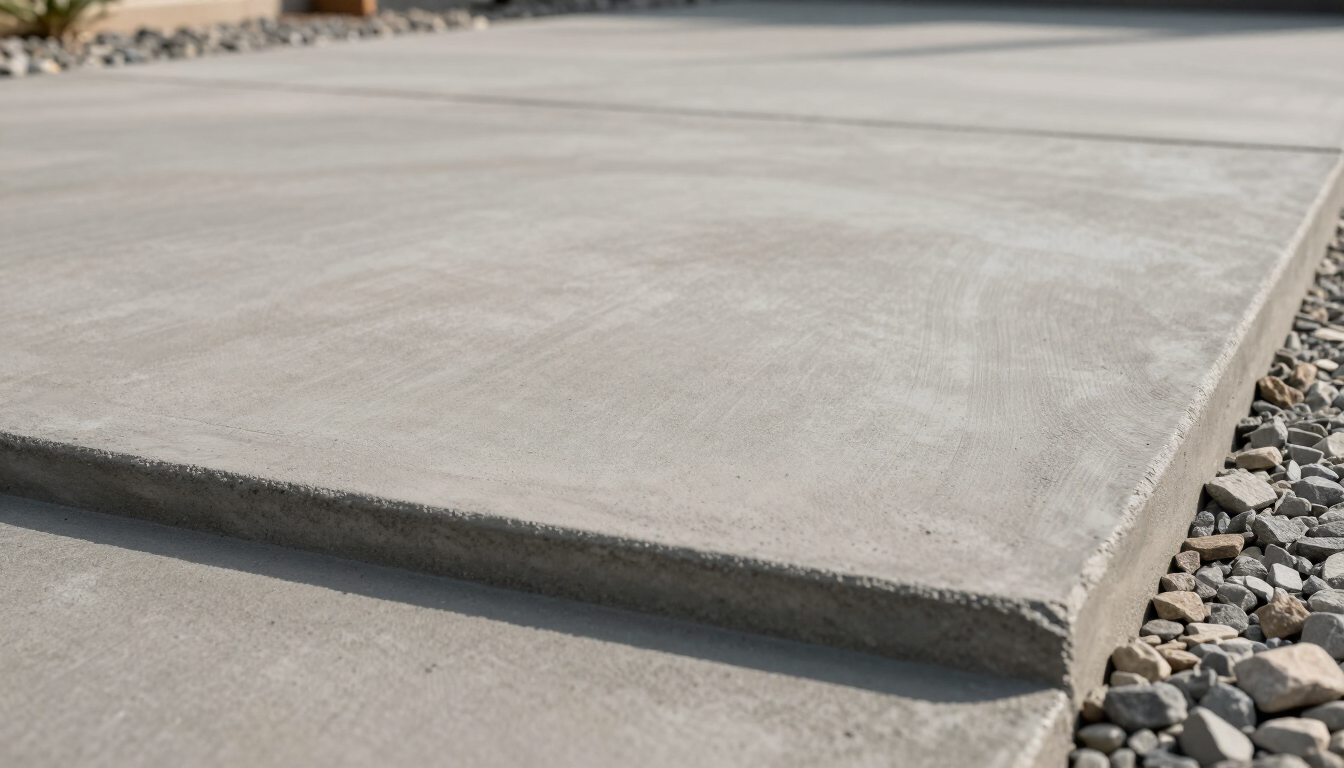
Modern Patio

Whether you are in Springfield, VA or Herndon, VA , the goal of every concrete project should be long-term durability. By following the Fairfax County concrete permit process, you ensure that your project is built to the highest standards. This adds value to your home and gives you peace of mind that your family is safe. If you're ready to start your next project but aren't sure where to begin with the paperwork, we're here to help. Our team can guide you through every step, from the first soil test to the final finish.

Key Takeaways for Fairfax Homeowners:

  • Check the 250 Rule: Patios under 250 sq. ft. are often building-permit exempt but may still need zoning approval.
  • Structural Equals Permit: Any concrete supporting a roof or structural load always requires a permit.
  • Verify Setbacks: Always check your property plat to ensure you aren't pouring concrete over a property line or easement.
  • Safety First: Permits ensure your contractor is using the correct rebar, depth, and concrete strength.
  • Hire Professionals: Expert contractors like Concrete Sergeant handle the permitting, so you don't have to navigate the PLUS system alone.

If you're planning a project in Centerville, VA or anywhere in the Fairfax area, contact us today for a consultation. Let’s build something that lasts.

Recent Posts

A beautiful modern concrete porch and entryway steps for a residential home.
September 29, 2026
Expert guide on installing concrete steps and porches in Fairfax County. Learn about site prep, rebar, pouring, and maintenance for durable homes.
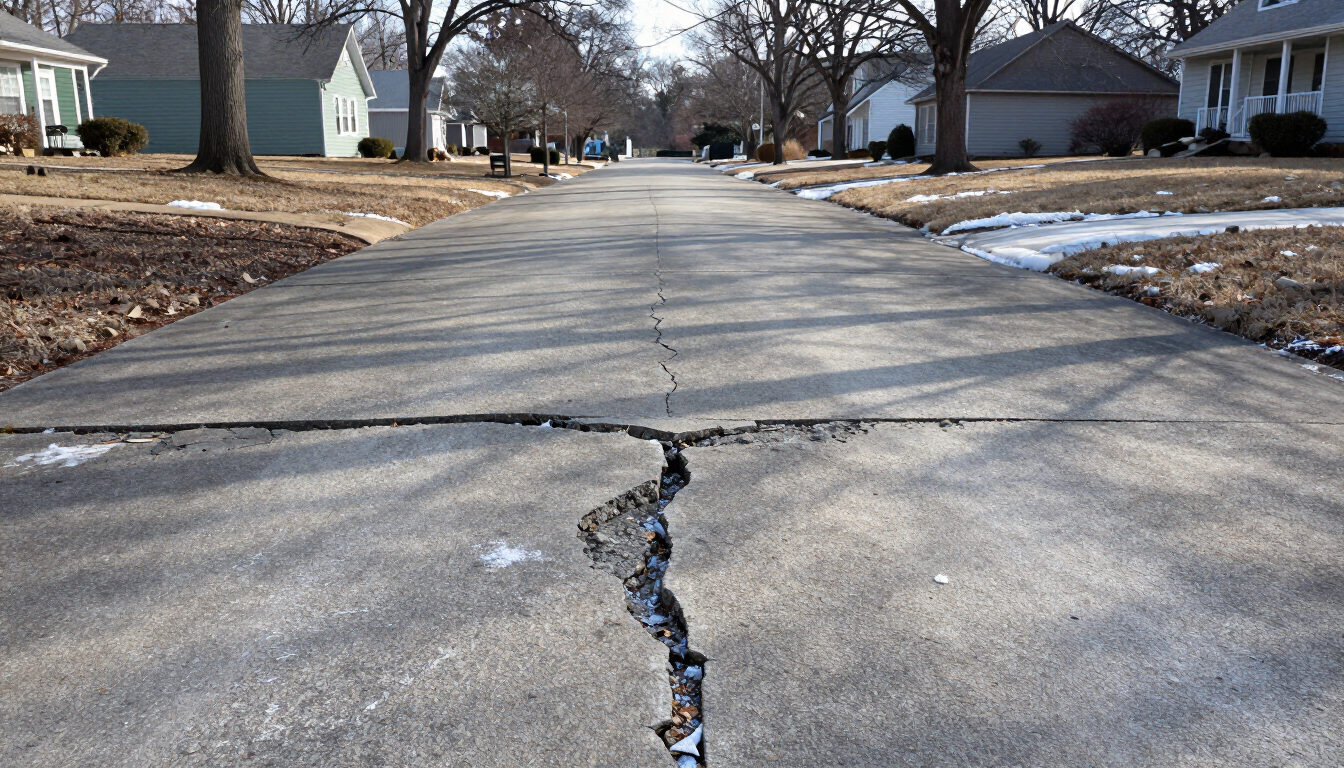
Cracked concrete driveway showing freeze-thaw damage in Northern Virginia
September 14, 2026
Learn how to prevent freeze-thaw concrete damage in Northern Virginia. Expert tips on sealing, drainage, and winter prep for driveways and patios in Fairfax County.
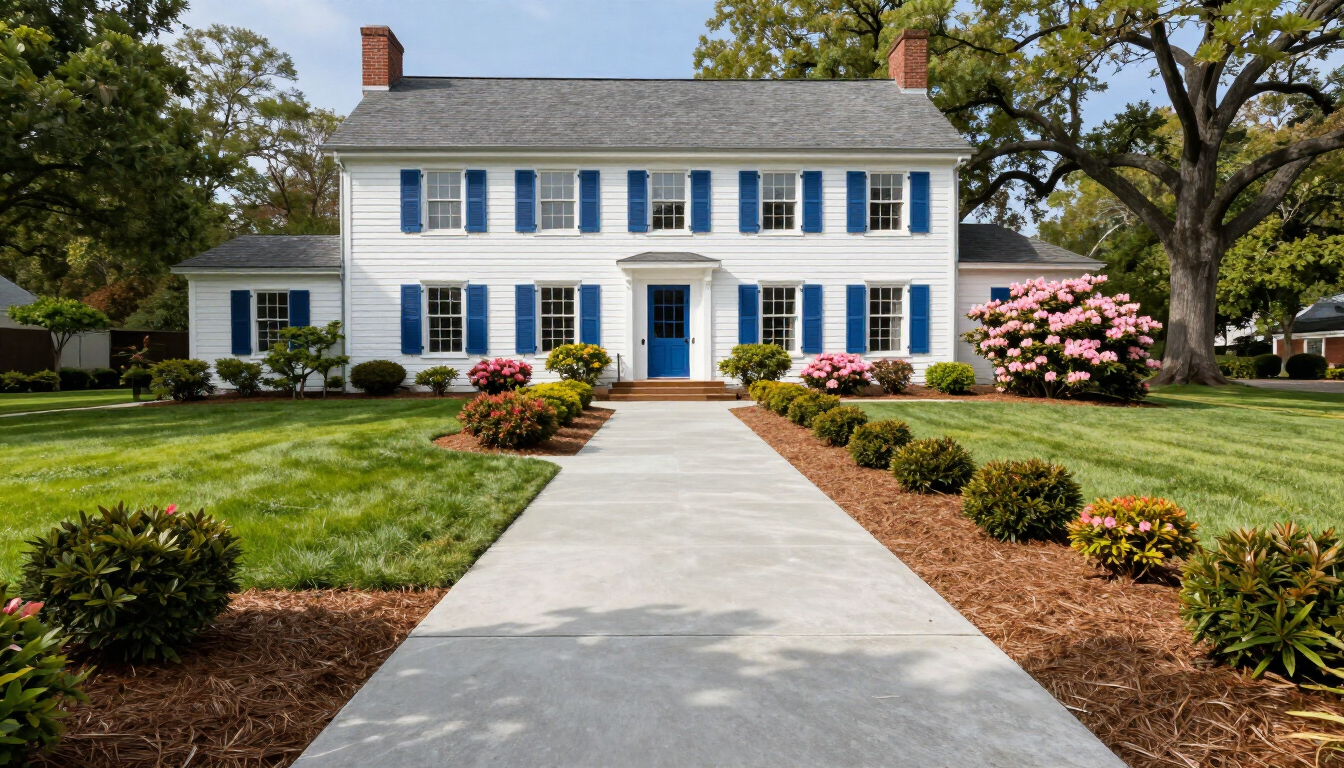
Freshly installed concrete walkway in Fairfax
August 31, 2026
Discover essential tips for concrete walkway installation in Fairfax County, including safety, slope requirements, and drainage solutions for your home.
Cracked concrete driveway in Northern Virginia needing repair or replacement.
August 17, 2026
Deciding between concrete repair vs. replacement for your Northern Virginia home? Learn the signs of damage, cost factors, and when to call the experts in Alexandria and Arlington.
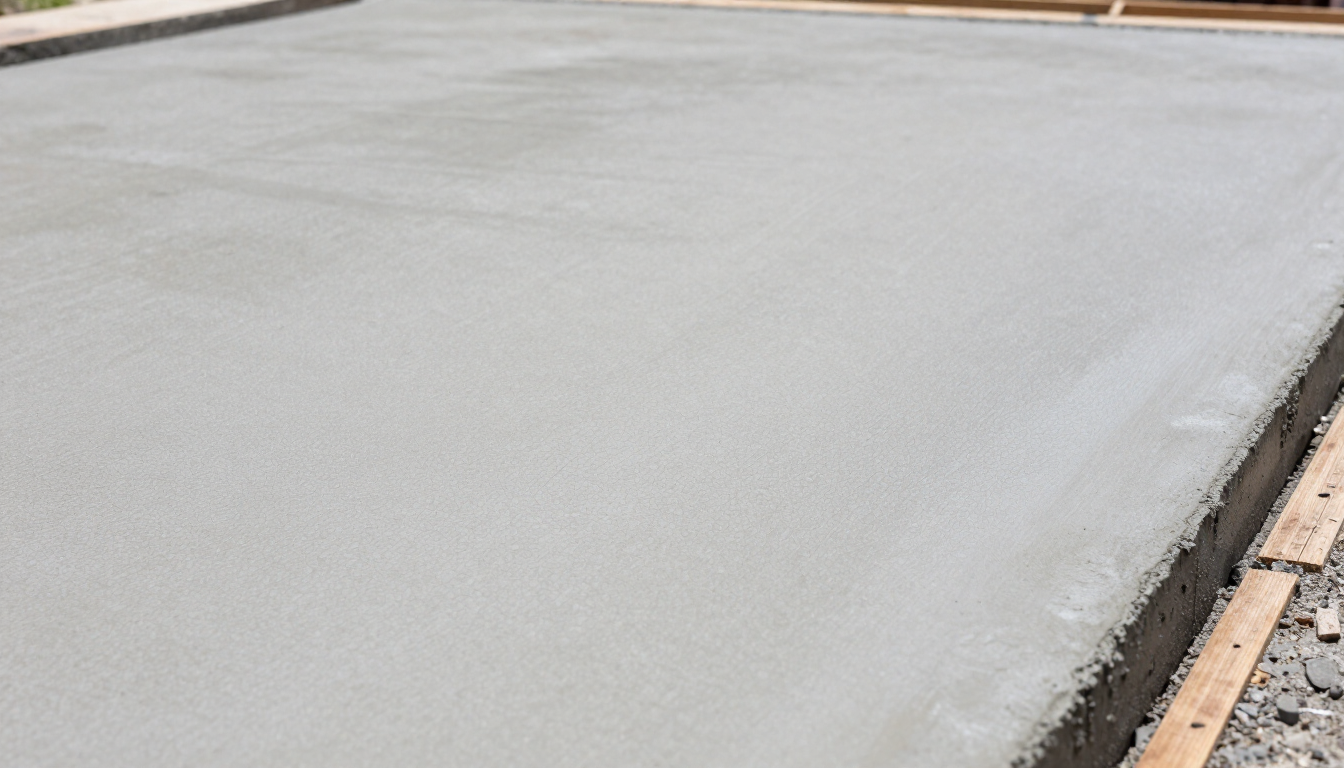
Freshly finished concrete slab in Fairfax County VA
August 3, 2026
Learn about concrete slab installation in Fairfax County, VA. Our guide covers base prep for Northern Virginia soil, garage slab costs, and expert construction tips.
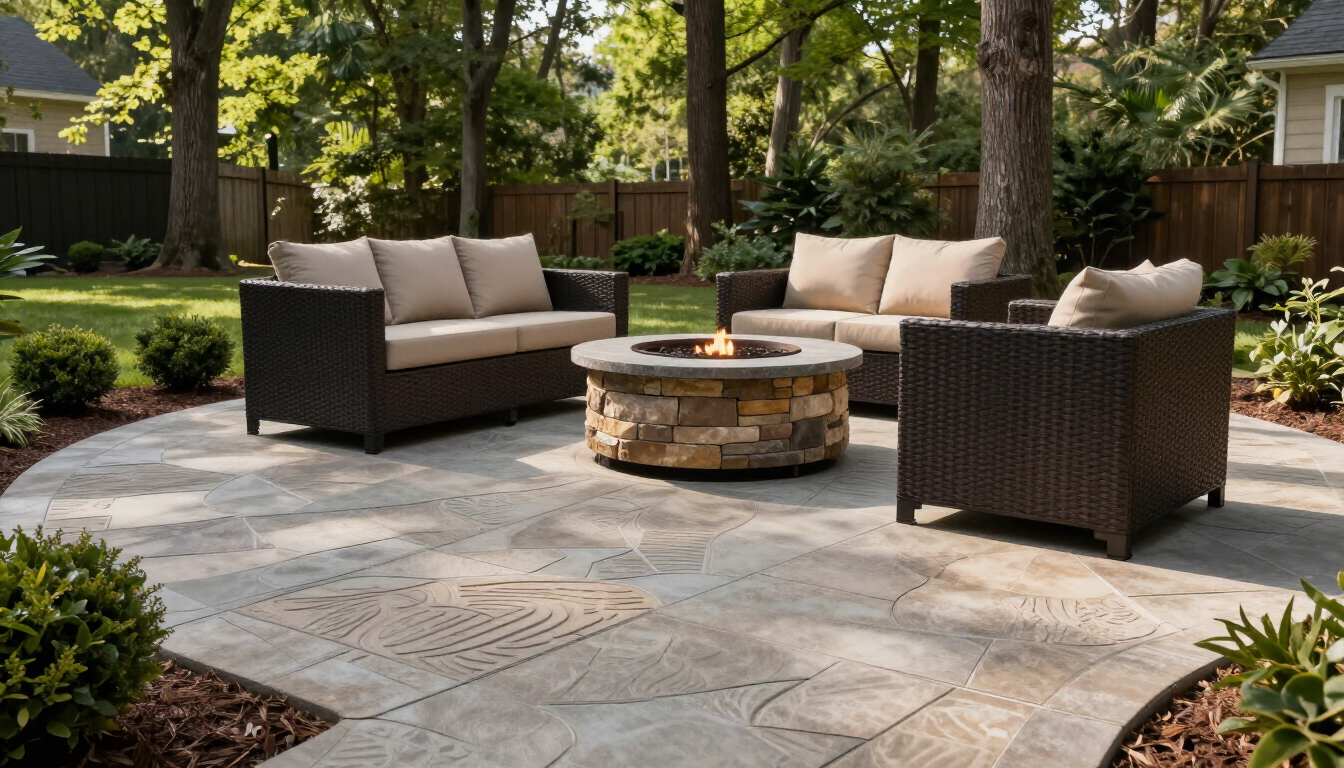
A luxury stamped concrete patio in a Northern Virginia backyard with a modern fire pit.
July 21, 2026
Explore top concrete patio ideas for Northern Virginia homes. From stamped patterns to Fairfax County permits, learn how to upgrade your backyard today.
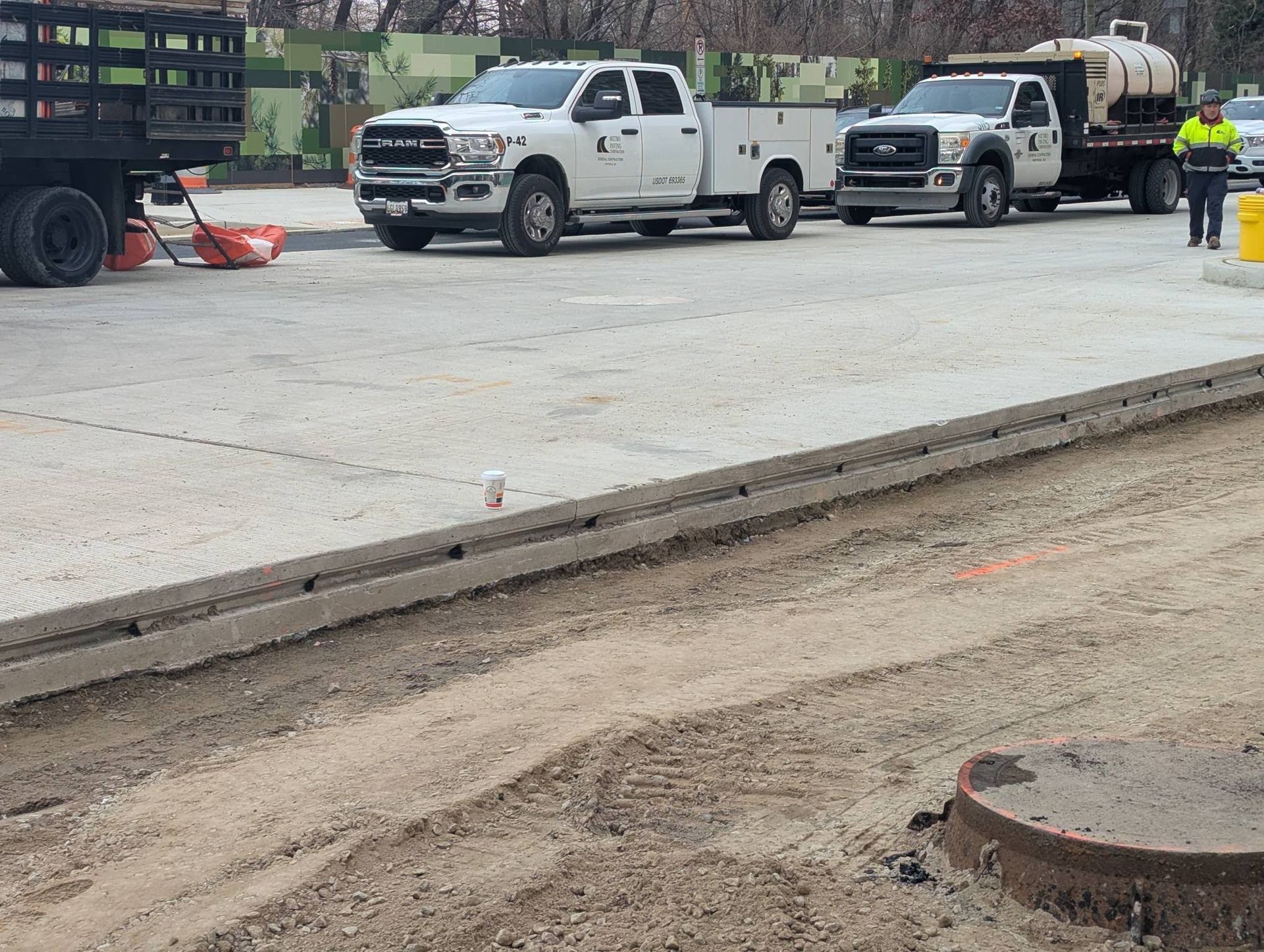
A freshly poured concrete driveway in a suburban Fairfax County neighborhood.
July 6, 2026
Learn the current costs for a concrete driveway in Fairfax County, VA. Discover pricing factors, permit requirements, and maintenance tips for Northern Virginia homeowners.
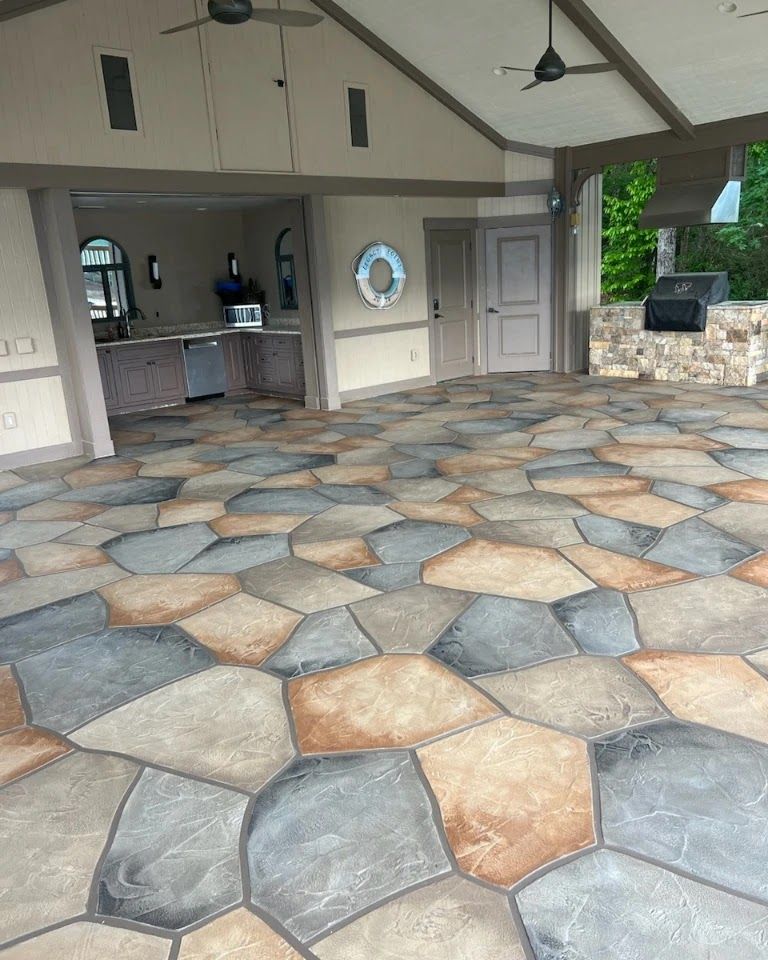
Detailed view of a stamped concrete patio versus stone pavers
June 25, 2026
Compare stamped concrete vs. pavers for your Fairfax, VA patio upgrade. Discover costs, maintenance, and durability for Northern Virginia homes.
Professional concrete preparation in Fairfax County suburb
June 8, 2026
Learn why Fairfax County concrete needs special preparation for clay soil and freeze-thaw cycles. Ensure your driveway or patio lasts with these expert tips.