5 Steps: Concrete Slab Installation in Fairfax County, VA
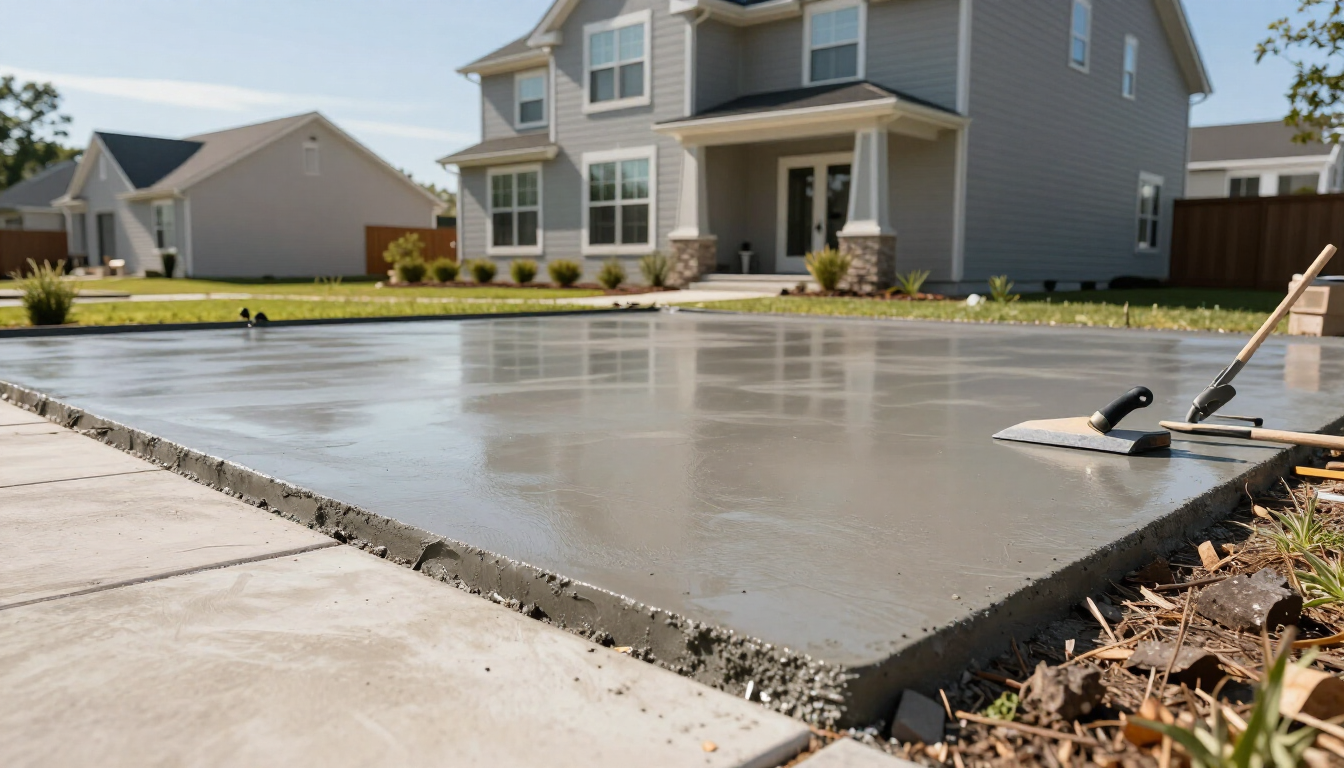
Concrete slab installation in Fairfax County, VA provides a durable foundation for garages, sheds, and home additions. A professional installation involves site excavation, compacting a gravel base, and pouring high-strength concrete to withstand Northern Virginia’s clay-heavy soil, ensuring structural integrity and long-term stability for your property.
What are the most common uses for concrete slabs in Northern Virginia?
In communities like Chantilly, VA and Springfield, VA , homeowners are frequently looking for ways to maximize their property value and utility. A concrete slab-on-grade is often the most cost-effective and structurally sound method to provide a flat, solid surface for various residential projects. Whether you are building a new detached garage to protect your vehicles from the mid-Atlantic weather or setting up a high-end workshop, the slab serves as the critical interface between the building and the earth.
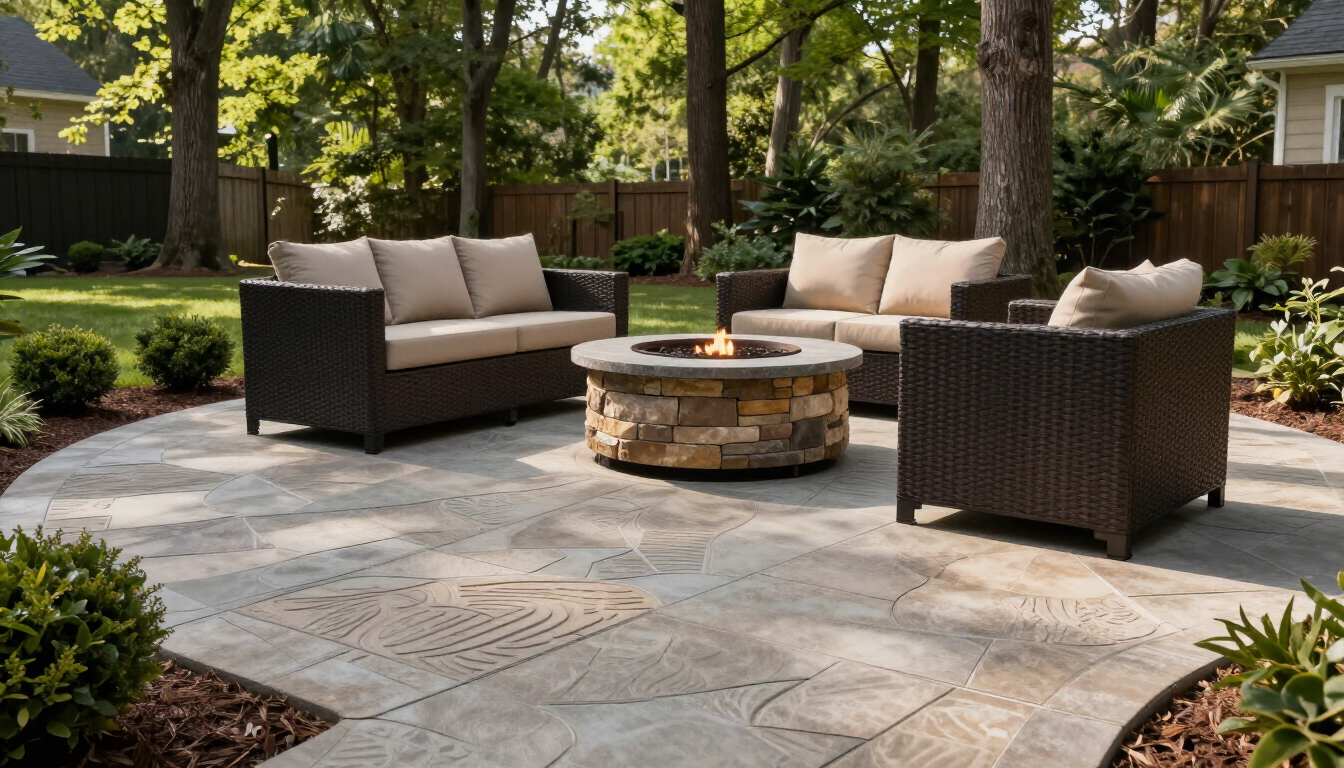
Slabs are not just for utility buildings; they are increasingly popular for outdoor living spaces. While many people think of concrete patios as purely aesthetic, a structural slab is required for heavy features like outdoor kitchens, massive stone fireplaces, or hot tubs. Additionally, homeowners in Woodbridge, VA frequently use structural slabs for home additions or "bump-outs," where a traditional crawl space or basement isn't feasible due to existing utility lines or budget constraints.
Another common use is for equipment pads. As Northern Virginia homes upgrade to larger HVAC units or backup generator systems, a properly engineered concrete slab ensures these expensive pieces of equipment remain level and vibration-free. Without a solid slab, the heavy clay soil in the region can cause equipment to tilt, leading to mechanical failure and drainage issues around the home’s foundation.
Essential Components of a Durable Foundation
A high-quality concrete slab installation in Fairfax County, VA is much more than just pouring wet mix into a wooden frame. It is a carefully engineered system designed to resist shifting, cracking, and moisture intrusion. To achieve a slab that lasts for decades, several key components must be integrated into the design:
- Sub-base and Sub-grade: The native soil must be cleared of organic material and compacted, followed by a layer of granular fill.
- Vapor Barrier: A heavy-duty plastic sheet (usually 10-15 mil) that prevents ground moisture from seeping through the concrete.
- Reinforcement: Steel rebar or welded wire mesh that provides tensile strength to prevent the concrete from pulling apart.
- Formwork: Precisely leveled wooden or metal frames that hold the liquid concrete in the correct shape and height.
- Expansion Joints: Strategic cuts or inserts that allow the slab to expand and contract with temperature changes without cracking.
Why does Northern Virginia soil require specialized base preparation?
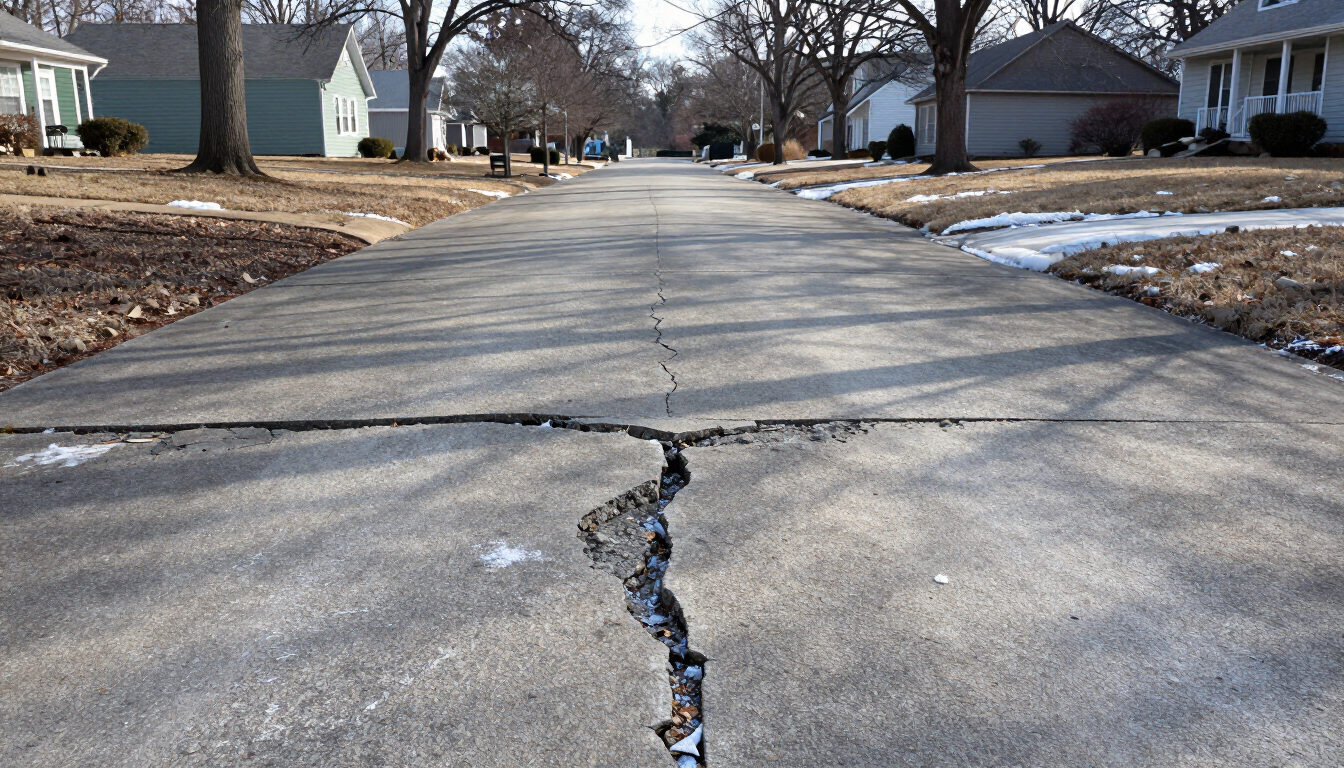
The soil in Fairfax County is notorious among builders for its high concentration of "Marine Clay" and other expansive soils. This type of soil acts like a sponge; it swells significantly when wet and shrinks when dry. For a homeowner in Centerville or Reston, this means that a poorly prepared concrete slab will likely shift, tilt, or crack within just a few seasons. The pressure exerted by expanding clay is strong enough to lift entire sections of concrete if the base isn't engineered to handle it.
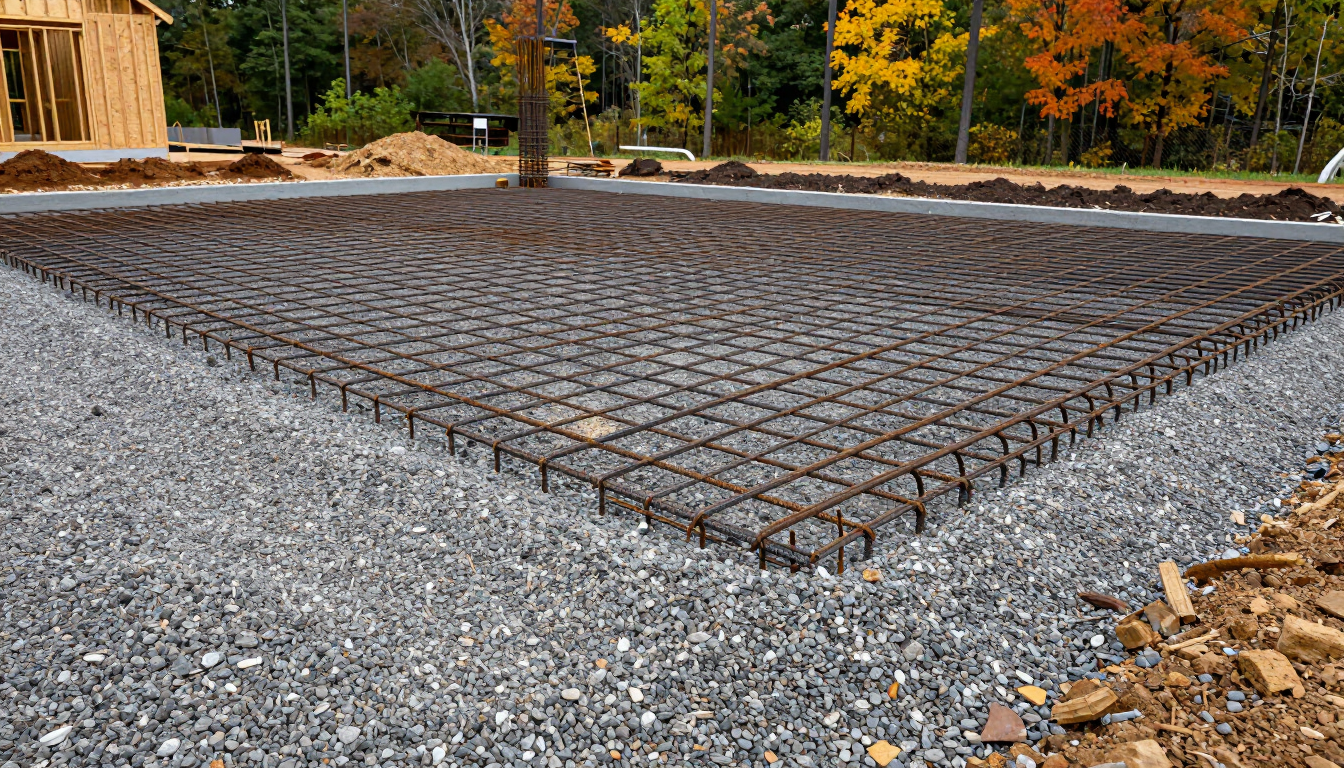
Proper base preparation involves more than just a quick rake. In Northern Virginia, we focus on "over-excavation." This means removing the problematic clay and replacing it with a thick layer of non-expansive, well-draining material like crushed stone (often #57 or #21A stone). This stone layer provides a stable platform that doesn't change volume with moisture levels and allows water to move away from the slab rather than pooling underneath it.
Furthermore, the freeze-thaw cycle in the DMV area adds another layer of complexity. When water trapped in the soil under a slab freezes, it expands, causing "frost heave." By ensuring a deep, well-drained gravel base, we move the moisture away from the bottom of the concrete, significantly reducing the risk of heave. This is why local expertise is vital; a contractor from a different climate might not realize that a simple 2-inch sand bed is insufficient for the heavy clay and variable weather of Fairfax County.
The Engineering Behind Modern Slab-on-Grade Construction
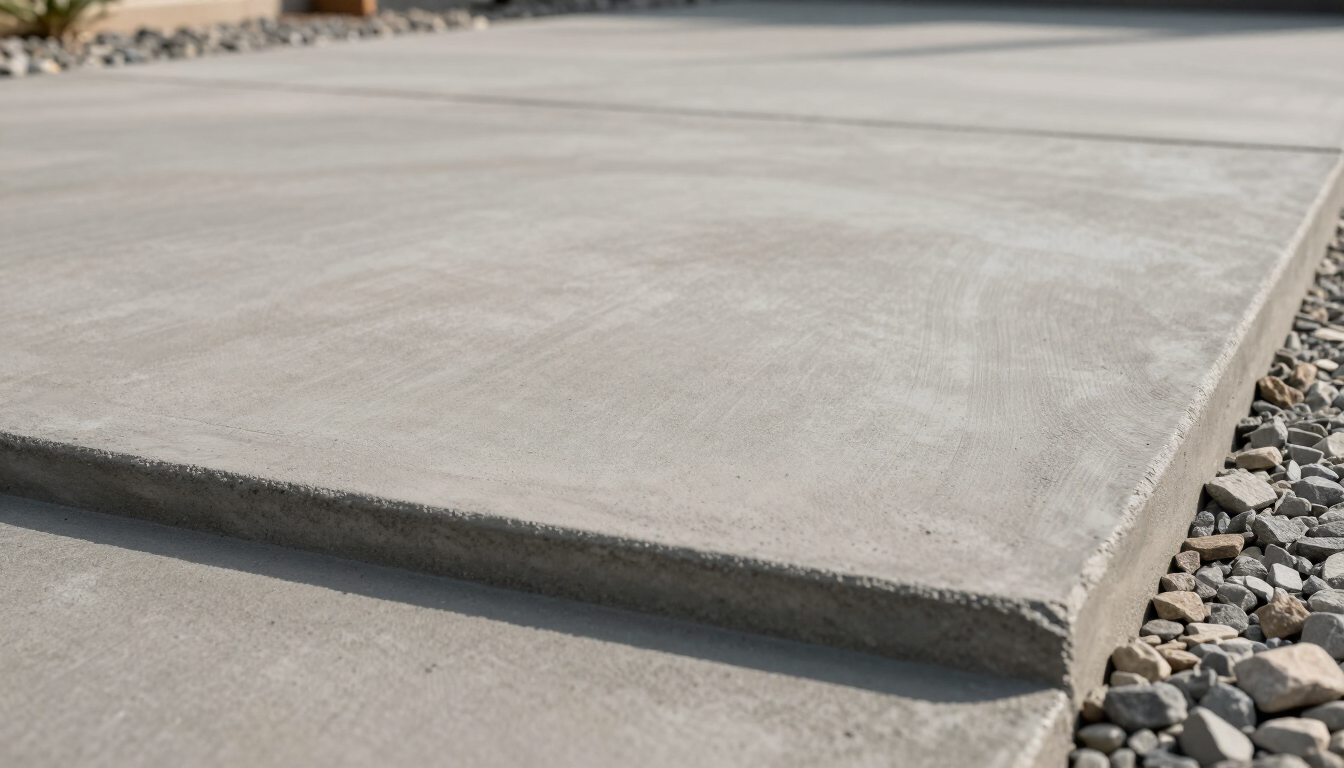
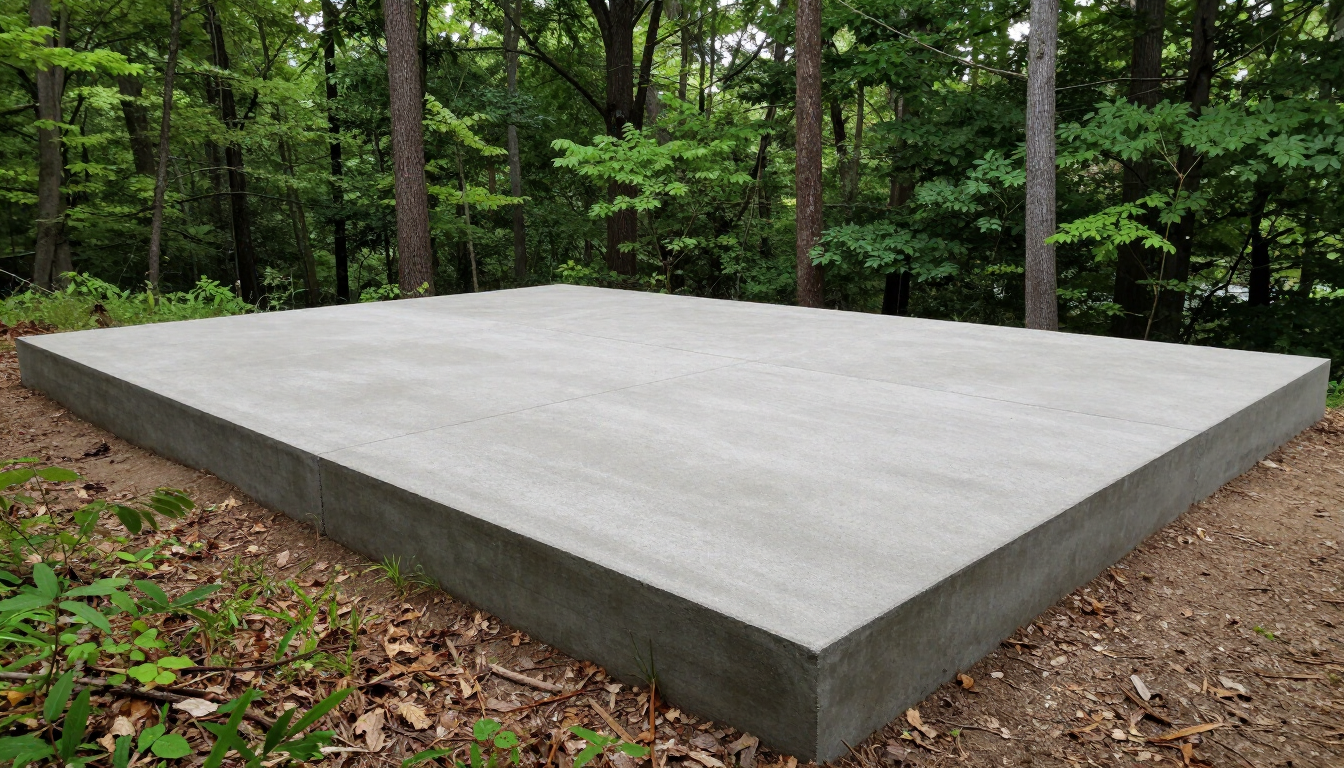
Modern slab-on-grade construction has evolved to incorporate better materials and more precise leveling technology. At Concrete Sergeant, we focus on the "monolithic pour" method for many of our residential projects. A monolithic slab is a single, continuous pour of concrete where the edges are thickened to act as a footing. This creates a unified structure that distributes the weight of the building evenly across the entire surface area.
For larger structures, such as a multi-car garage or a substantial home addition, we may implement a "stem wall" foundation. This involves pouring footings below the frost line first, then building a short wall, and finally pouring the slab inside that perimeter. This method is more labor-intensive but offers superior protection against the ground movement common in hilly areas of Northern Virginia. Regardless of the method, the use of high-PSI (pounds per square inch) concrete mixes—typically 3,500 to 4,000 PSI for residential work—is non-negotiable for ensuring the slab can handle the weight of vehicles or heavy machinery.
How do you handle permits for a concrete slab in Fairfax County?
Navigating the bureaucratic requirements of Fairfax County can be a daunting task for many homeowners. Most structural concrete slabs—especially those intended for a garage, shed over 256 square feet, or a home addition—require a building permit. The county wants to ensure that the slab meets the minimum thickness and reinforcement standards to prevent future safety hazards.
When you work with a professional team, the permitting process is usually integrated into the project timeline. This includes submitting a plat of your property showing the proposed location, ensuring it doesn't violate setback requirements (the distance from your property line), and scheduling inspections. Usually, there are at least two critical inspections: a "footing or slab inspection" before the concrete is poured to verify the base and reinforcement are correct, and a final inspection once the project is complete. Failing to secure these permits can lead to fines or, worse, being forced to remove the slab when you try to sell your home.
In addition to building permits, environmental regulations regarding "Land Disturbance" must be followed. Fairfax County has strict rules about sediment control to protect local waterways. If your project disturbs more than 2,500 square feet of land, you may need a more complex grading plan. We handle these details to ensure your project stays on the right side of local laws while maintaining a clean and orderly job site.
Step-by-Step Installation Process for Maximum Longevity
To give your project the best chance at a long life, we follow a rigorous installation protocol. Each step is designed to address the specific environmental challenges of the Northern Virginia region. Here is the workflow we employ for a standard residential slab:
- Site Assessment and Layout: We use laser levels to determine the high and low points of your yard, ensuring the slab is positioned for optimal drainage.
- Excavation and Compaction: We remove grass, topsoil, and soft clay, then compact the underlying sub-grade using vibratory plates or rollers.
- Gravel Sub-base Installation: A 4-to-6-inch layer of crushed stone is spread and compacted to create a stable, non-capillary break.
- Forming and Reinforcing: We set the forms to the exact height and install a grid of Grade 60 rebar, supported by "chairs" to keep the steel in the middle of the slab.
- The Pour and Finish: We coordinate with local ready-mix plants to deliver the fresh concrete, which we then level, float, and finish to your desired texture (usually a smooth trowel for interiors or a broom finish for exteriors).
What are the benefits of hiring a local veteran-led team?
Choosing a contractor for your concrete slab installation in Fairfax County, VA is a decision that affects the long-term value of your home. As a veteran-led business, Concrete Sergeant brings a level of discipline, precision, and integrity to every project that is often missing in the construction industry. We understand that your home is your most significant investment, and we treat every pour as if it were for our own family.
Our local expertise means we don't have to guess about the soil or the codes. We know the inspectors in Fairfax, we know the best concrete suppliers in the area, and we understand the unique logistical challenges of working in high-traffic zones like Arlington or Alexandria . Our commitment to communication ensures that you are never left wondering about the status of your project or when the trucks will arrive. We take pride in our "built to code" promise, ensuring that your foundation is not just beautiful, but legally compliant and structurally invincible.
Summary of Key Takeaways
- Soil Matters: Northern Virginia's clay soil requires deep excavation and a thick gravel base to prevent slab cracking and shifting.
- Reinforcement is Key: Using rebar rather than just mesh provides the necessary tensile strength for heavy-duty applications like garages.
- Permit Compliance: Fairfax County requires permits for most structural slabs; hiring a pro ensures all inspections are passed without hassle.
- Proper Drainage: Ensuring the slab is sloped correctly and the base allows water to escape is vital for preventing frost heave.
- Local Expertise: A veteran-led team offers the reliability and regional knowledge needed for a successful, long-lasting concrete project.
Ready to start your next project? Contact us today for a consultation on your concrete slab needs in Fairfax County and the surrounding Northern Virginia area.