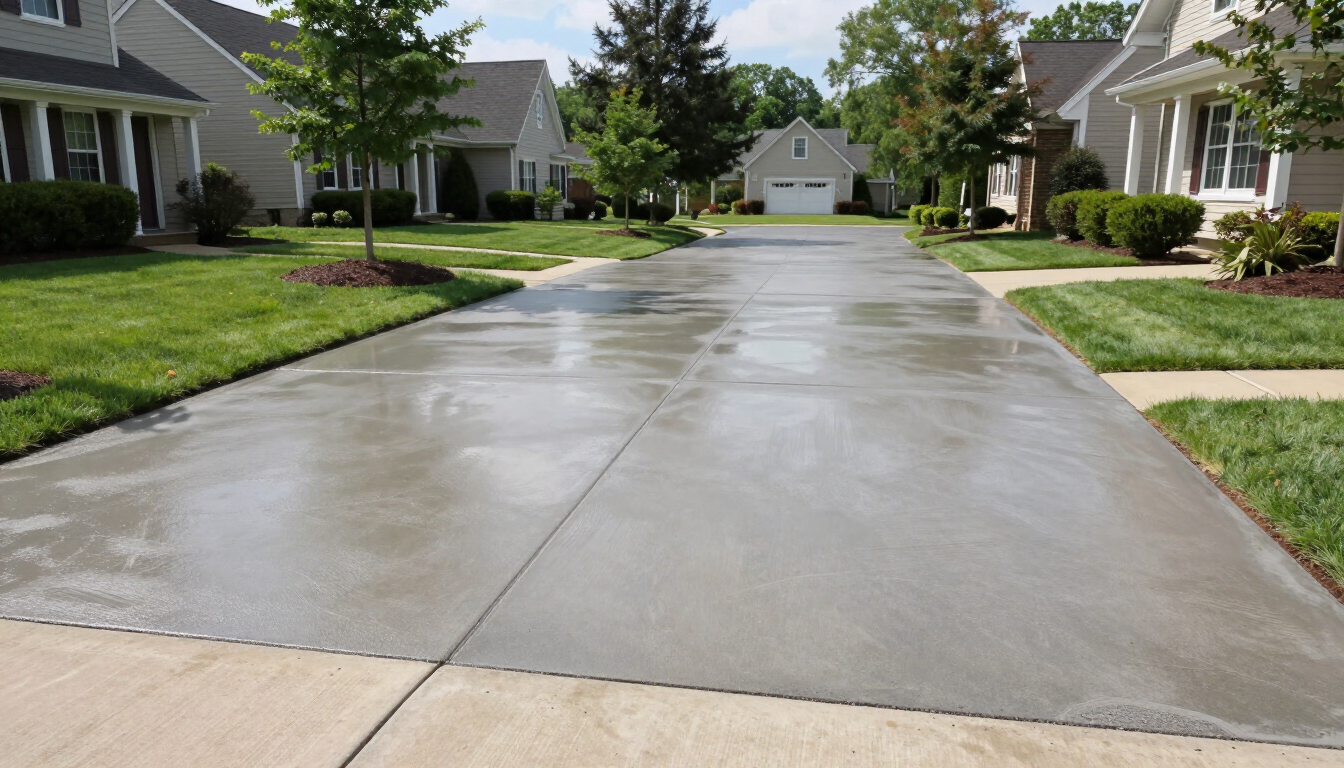
Concrete Repair vs. Replacement: How to Choose for Your Home

August 17, 2026

Share this article

To decide between concrete repair vs. replacement , evaluate the damage's severity. Minor surface cracks (under 1/4 inch) and slight scaling often only require professional concrete repair . However, if your concrete has deep structural cracks, significant sinking, or widespread upheaval, a full replacement is necessary to ensure long-term safety and structural integrity.

When should I choose concrete repair over replacement?

Deciding to repair your concrete is often the first instinct for homeowners in Alexandria, VA and Arlington, VA . It is generally faster, less intrusive, and more budget-friendly than a complete overhaul. However, repair is only a viable option when the underlying structure of the slab remains sound. If the foundation of the concrete—the soil and the sub-base—is still doing its job, a surface-level fix can extend the life of your driveway or patio by several years.

Repairing is the ideal choice for:

  • Hairline Cracks: These are thin, superficial cracks that don't indicate shifting or settling.
  • Minor Spalling or Scaling: If the top layer of the concrete is flaking off due to salt or freeze-thaw cycles but the slab is thick and firm.
  • Slight Discoloration: Cosmetic issues can be easily solved with resurfacing or staining.
  • Small Potholes: If the damage is localized and hasn't compromised the entire surface.
  • Budget Constraints: When you need a functional fix now but aren't ready for the investment of a full replacement.

In many cases, techniques like crack injection or stamped concrete overlays can breathe new life into an aging surface. These methods seal out moisture, which is the primary enemy of concrete in the mid-Atlantic region. By preventing water from entering the cracks and freezing, you stop the cycle of damage before it worsens.

Signs it is time to replace your concrete driveway or patio

While we all want to save money, there comes a point where repairing concrete is like putting a bandage on a broken bone. In Northern Virginia, our heavy clay soils and frequent rain can lead to significant structural failure that simple patches cannot fix. If you notice any of the following signs, it is time to consider a full replacement of your concrete driveways or outdoor spaces.

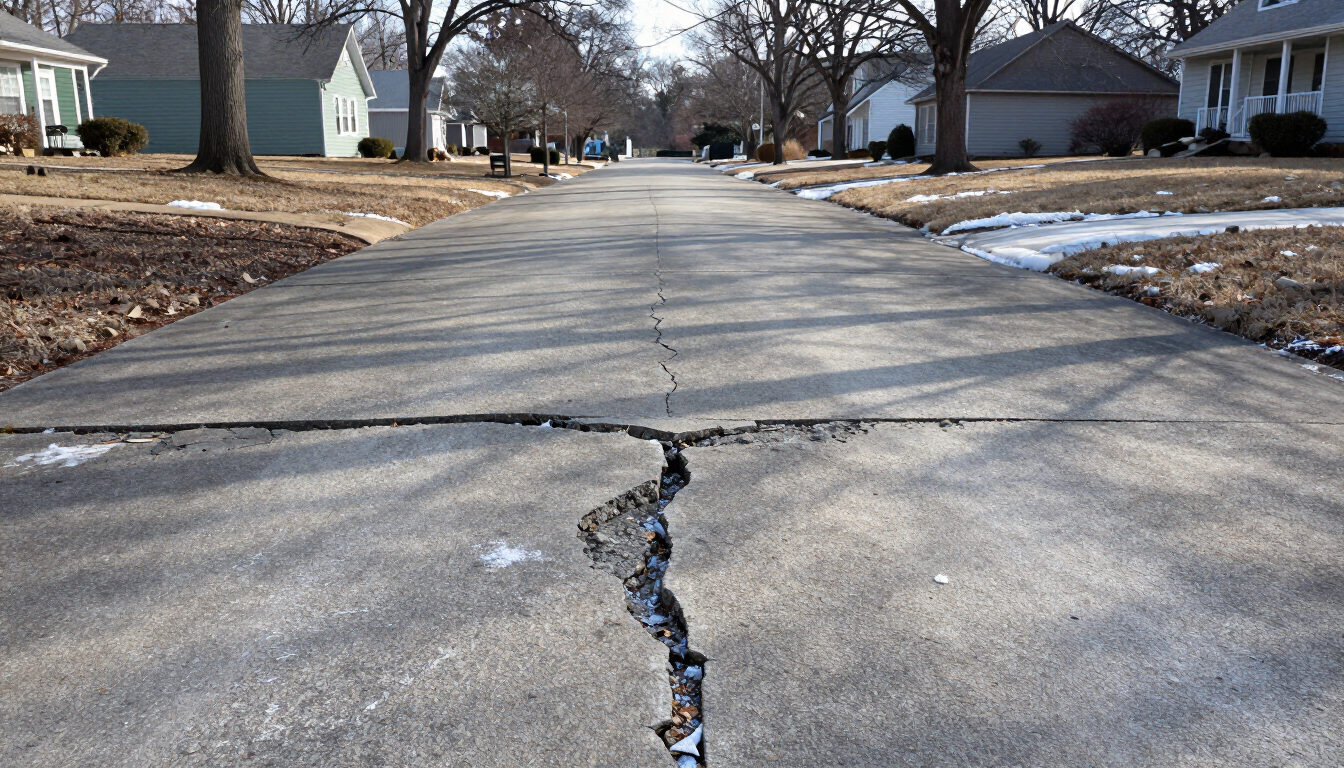
One of the biggest red flags is deep, wide cracks . If a crack is wider than a quarter-inch or if one side of the crack is higher than the other, the soil beneath has shifted or washed away. No amount of filler will stop that slab from continuing to move. Similarly, if you see multiple interconnecting cracks (often called alligator cracking), the slab has lost its structural integrity and is crumbling from within.

Another major indicator is sunken or sagging sections . In areas like Falls Church, VA , poor drainage can cause sections of a patio or walkway to sink several inches. While mudjacking or polyjacking can sometimes lift these slabs, if the concrete is already cracked into several pieces, lifting them will only cause further breakage. In these instances, excavating the old material, stabilizing the soil, and pouring a new, reinforced slab is the only permanent solution.

Finally, consider the age of your concrete . Most residential concrete is designed to last 20 to 30 years. If your driveway is approaching its third decade and is showing widespread wear, investing in a replacement is often more cost-effective than paying for repeated repairs every spring.

How does the Northern Virginia climate affect concrete longevity?

Homeowners in the D.C. metro area face unique challenges when it comes to concrete maintenance. We live in a "transition zone," meaning we experience both scorching summers and freezing winters. This leads to a high frequency of freeze-thaw cycles . When water enters small pores or cracks in the concrete and freezes, it expands, putting immense internal pressure on the material. Over time, this causes the surface to pop or scale.

Furthermore, the soil in Northern Virginia is notoriously high in clay. Clay expands significantly when wet and shrinks when dry. This constant movement creates a "pumping" action beneath your concrete walkways and foundations. Without a properly engineered sub-base—something we specialize in at Concrete Sergeant—the concrete will eventually crack under the stress of this shifting earth.

Proper installation is key to fighting these environmental factors. This includes:

  1. A compacted gravel sub-base for drainage.
  2. Integrated rebar or wire mesh for tensile strength.
  3. Strategically placed control joints to guide where the concrete cracks.
  4. High-quality sealants to keep moisture out.

The Cost-Benefit Analysis of Fixing vs. Tossing

When evaluating concrete repair vs. replacement , the financial aspect is usually the deciding factor for most homeowners. At first glance, a repair is significantly cheaper. Patching a few cracks might cost a few hundred dollars, whereas a full driveway replacement can run into the thousands. However, you must consider the "cost per year" of the solution.

If you spend $1,000 on repairs every two years because the underlying issue isn't fixed, you are effectively throwing money into a sinking slab. Conversely, a high-quality replacement from a professional team might have a higher upfront cost but will require virtually zero maintenance for the next 20 years. Furthermore, a beautiful, new concrete patio or driveway significantly boosts your home’s curb appeal and resale value—often returning more than 60-70% of the investment upon sale.

For those in Arlington, VA or nearby suburbs, local zoning and permitting can also influence the cost. At Concrete Sergeant, we handle the permitting and inspections for our replacement projects, ensuring everything is built to the latest Virginia building codes. This peace of mind is often worth the investment, as it prevents future legal or safety issues when you go to sell your home.

Can sinking concrete be repaired without replacement?

Sinking is a common complaint for Virginia homeowners, particularly near the foundation of the home or where the driveway meets the garage. Whether this can be repaired depends on the condition of the slab itself. If the slab is still in one or two large pieces, a process called leveling (or slab jacking) can be used. This involves injecting a material—either a cement grout or a high-density polyurethane foam—under the slab to fill the voids and lift it back to its original height.

However, if the sinking has caused the concrete to shatter into a "spiderweb" of cracks, leveling is no longer an option. The material used to lift the slab needs a solid surface to push against. In these cases, the damaged section must be removed, the soil must be re-compacted or replaced with structural fill, and new concrete slabs must be poured.

Concrete Sergeant’s Expert Recommendation

As a veteran-led team serving the Northern Virginia and Maryland areas, we believe in doing things right the first time. We don't believe in selling a replacement when a repair will suffice, nor do we suggest a patch when we know it will fail in six months. Our process always begins with a thorough soil and site inspection. We look at the drainage patterns around your home and the specific type of damage present.

If you are in Alexandria, VA or Arlington, VA and are unsure which path to take, we recommend a professional assessment. We can determine if your cracks are structural or cosmetic and provide a clear, code-compliant plan for restoration or replacement. Our goal is to provide a foundation that is engineered for strength and tailored to the unique climate of our region.

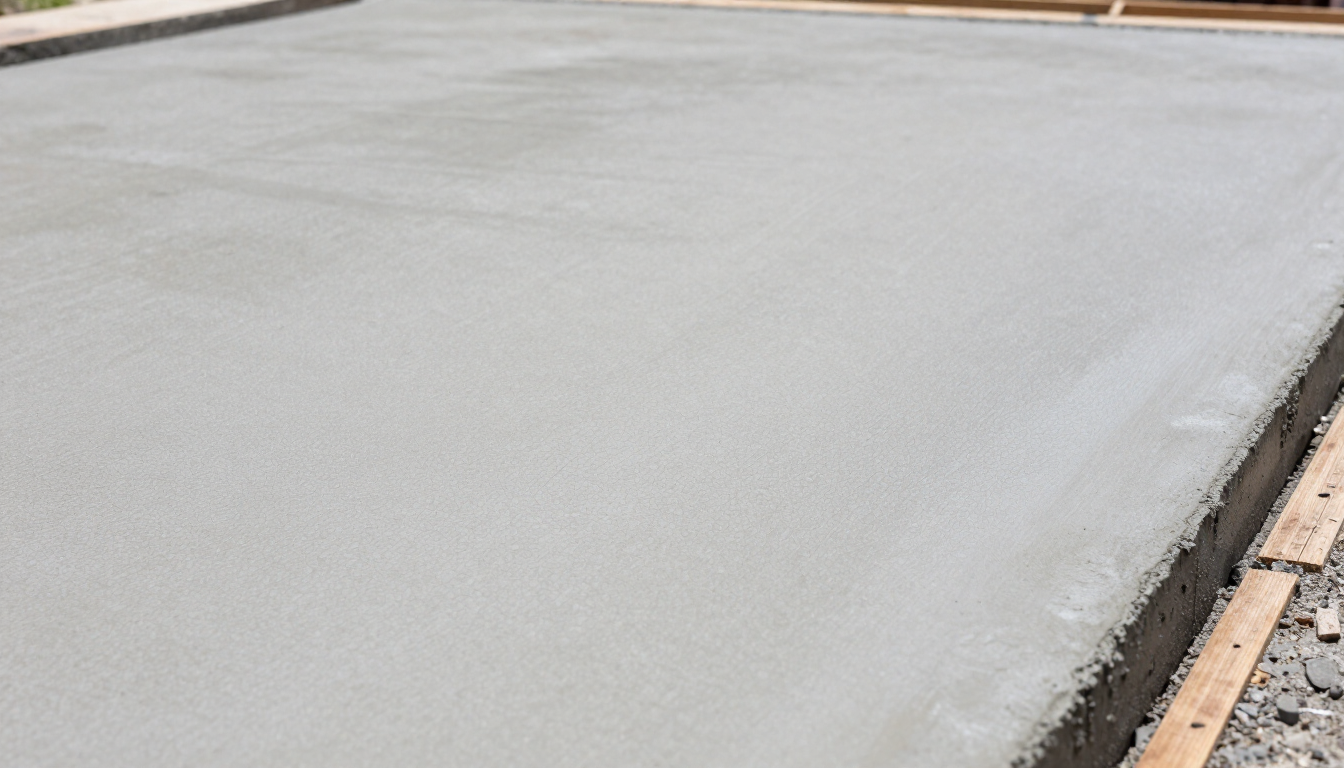
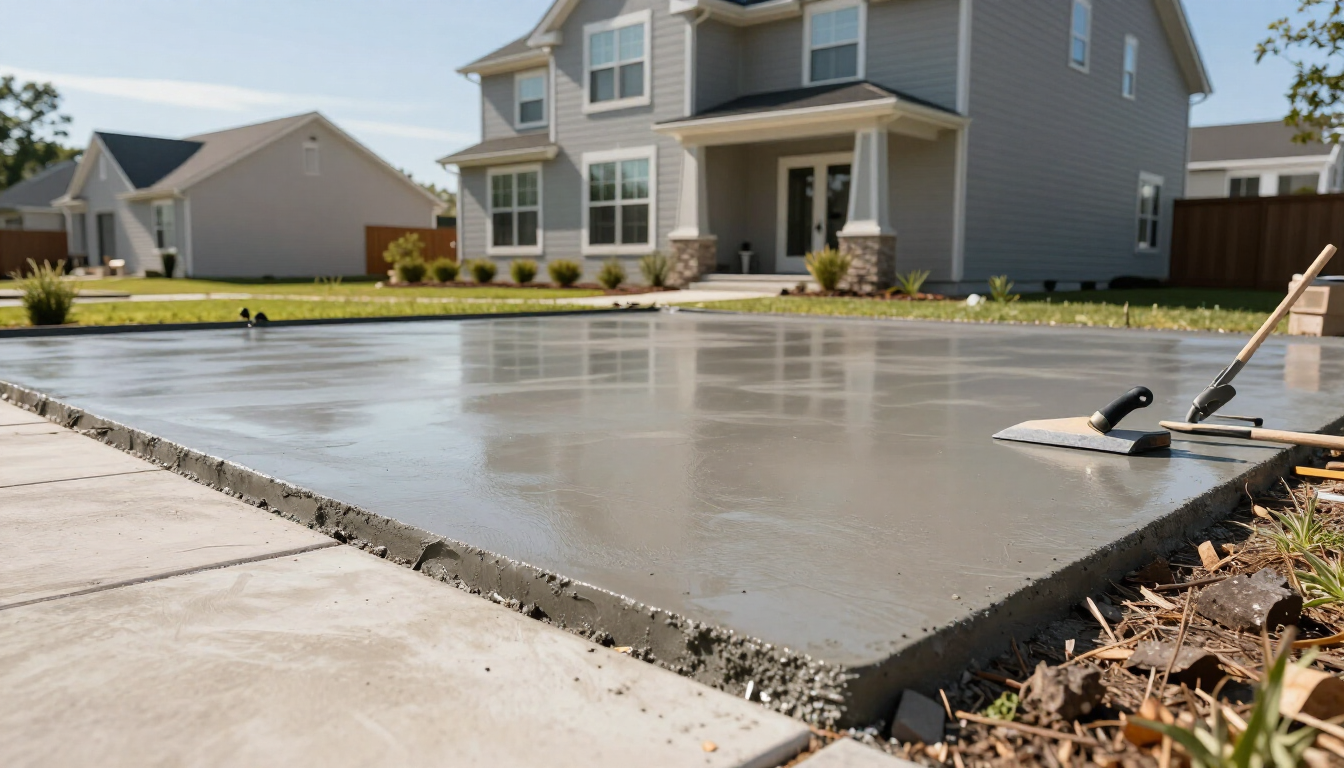
Newly poured concrete

Summary of Repair vs. Replacement Key Takeaways

Choosing the right path for your concrete surfaces depends on a balance of damage severity, age, and long-term goals for your property. While repairs offer a quick fix for cosmetic issues, replacement is the only way to address deep-seated structural failures caused by soil movement or poor initial installation. In the variable climate of Northern Virginia, ensuring your concrete is properly reinforced and drained is the best way to protect your investment.

Quick Decision Checklist:

  • Choose Repair if: Cracks are thin, the slab is level, and the damage is primarily on the surface.
  • Choose Replacement if: Cracks are wide/uneven, the slab is sinking significantly, or the concrete is over 25 years old.
  • Local Factor: Consider Virginia’s clay soil; if the sub-base is failing, replacement is the only permanent fix.
  • Next Step: Consult with a veteran-led professional to evaluate soil conditions and structural integrity before committing to a plan.

If you're ready to fix your cracked driveway or design a brand new outdoor space, contact us today for an expert consultation. Whether you need a simple concrete repair or a complete foundation solution, Concrete Sergeant is here to ensure your project is built to last.

Recent Posts

Freshly finished concrete slab in Fairfax County VA
August 3, 2026
Learn about concrete slab installation in Fairfax County, VA. Our guide covers base prep for Northern Virginia soil, garage slab costs, and expert construction tips.
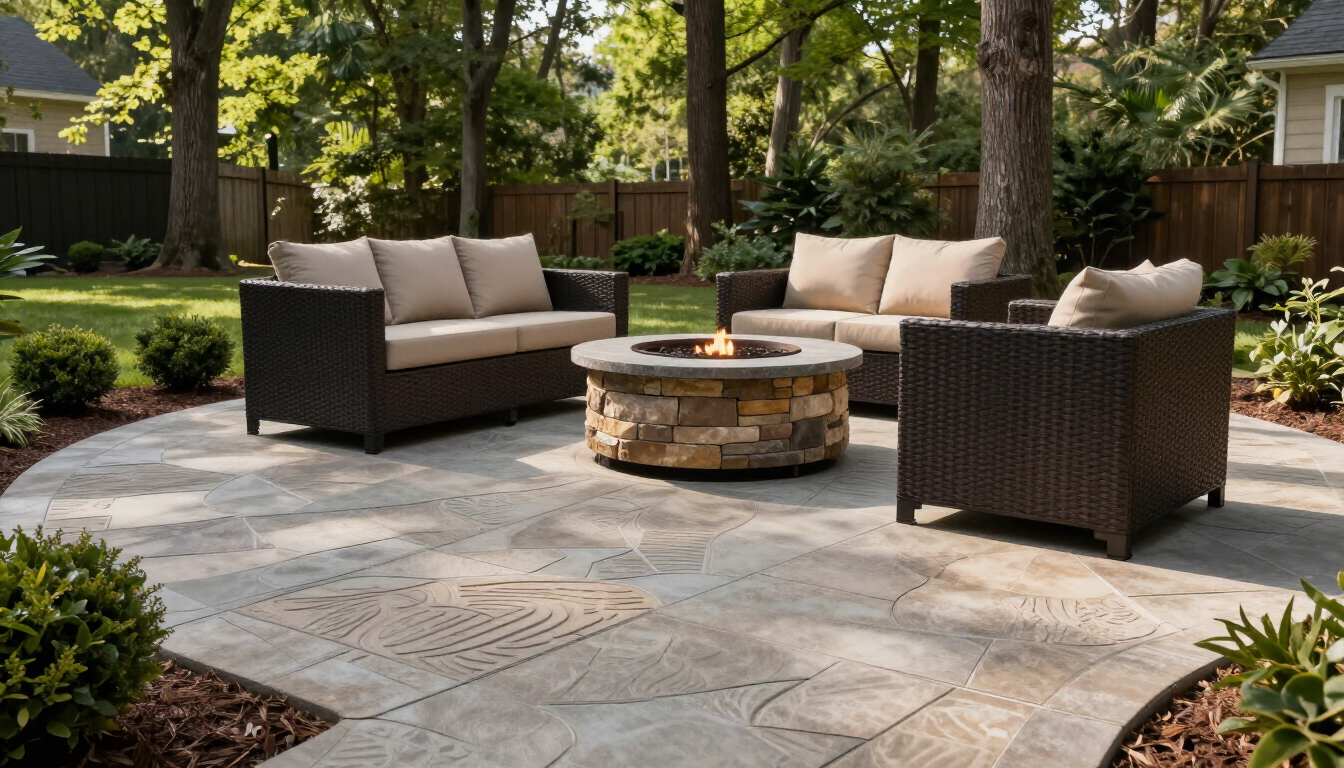
A luxury stamped concrete patio in a Northern Virginia backyard with a modern fire pit.
July 21, 2026
Explore top concrete patio ideas for Northern Virginia homes. From stamped patterns to Fairfax County permits, learn how to upgrade your backyard today.
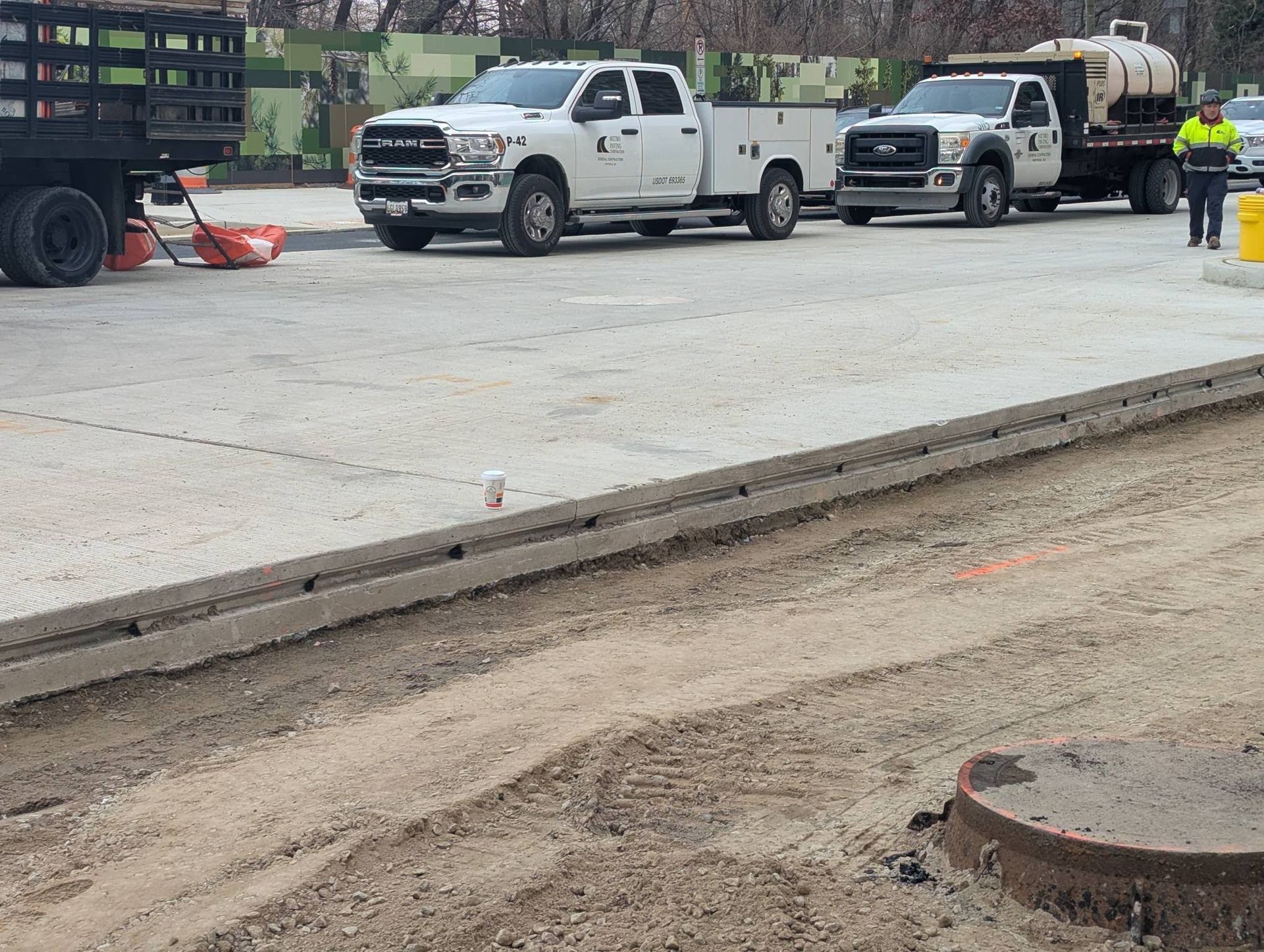
A freshly poured concrete driveway in a suburban Fairfax County neighborhood.
July 6, 2026
Learn the current costs for a concrete driveway in Fairfax County, VA. Discover pricing factors, permit requirements, and maintenance tips for Northern Virginia homeowners.
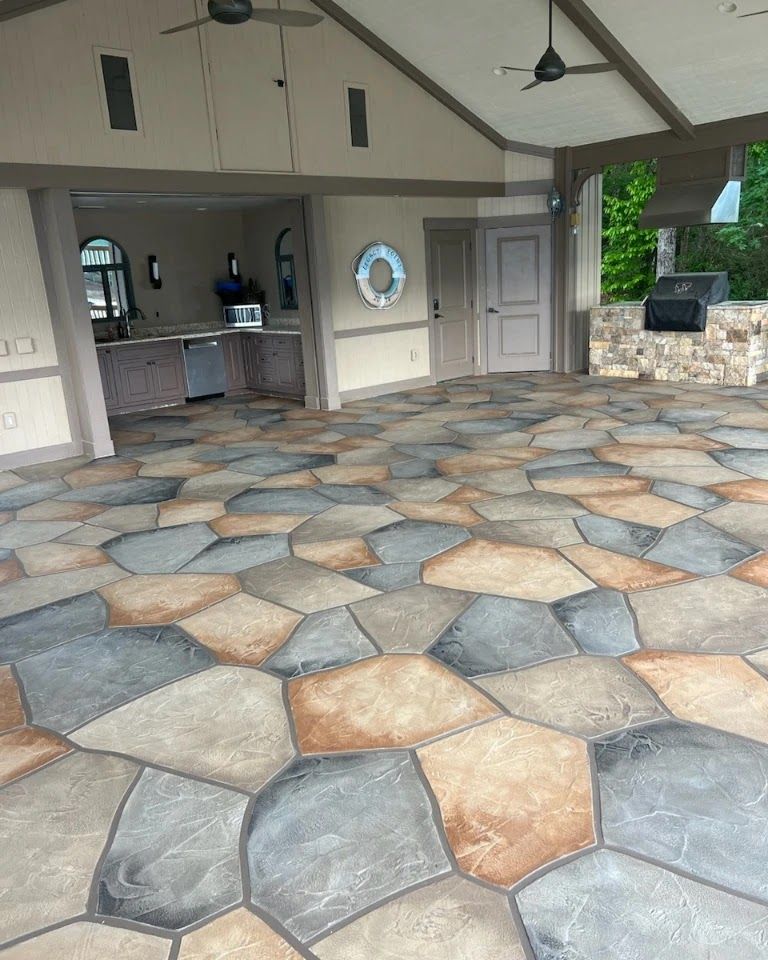
Detailed view of a stamped concrete patio versus stone pavers
June 25, 2026
Compare stamped concrete vs. pavers for your Fairfax, VA patio upgrade. Discover costs, maintenance, and durability for Northern Virginia homes.
Professional concrete preparation in Fairfax County suburb
June 8, 2026
Learn why Fairfax County concrete needs special preparation for clay soil and freeze-thaw cycles. Ensure your driveway or patio lasts with these expert tips.