Best Decorative Concrete Finishes for Virginia Homes
Decorative concrete finishes involve applying specialized stamps, pigments, and texturing techniques to fresh or existing concrete to replicate high-end materials like natural stone, brick, or wood. For Northern Virginia homeowners, these finishes provide a durable, weather-resistant, and aesthetically versatile solution for enhancing driveways, patios, and walkways.
What are the best decorative concrete finishes for homeowners?
Choosing the right finish for your home depends on your aesthetic goals, budget, and the specific use of the surface. Decorative concrete has evolved far beyond the standard grey slab, offering a wide array of options that can mimic almost any texture. The most popular decorative concrete finishes include stamped concrete, stained concrete, and exposed aggregate.
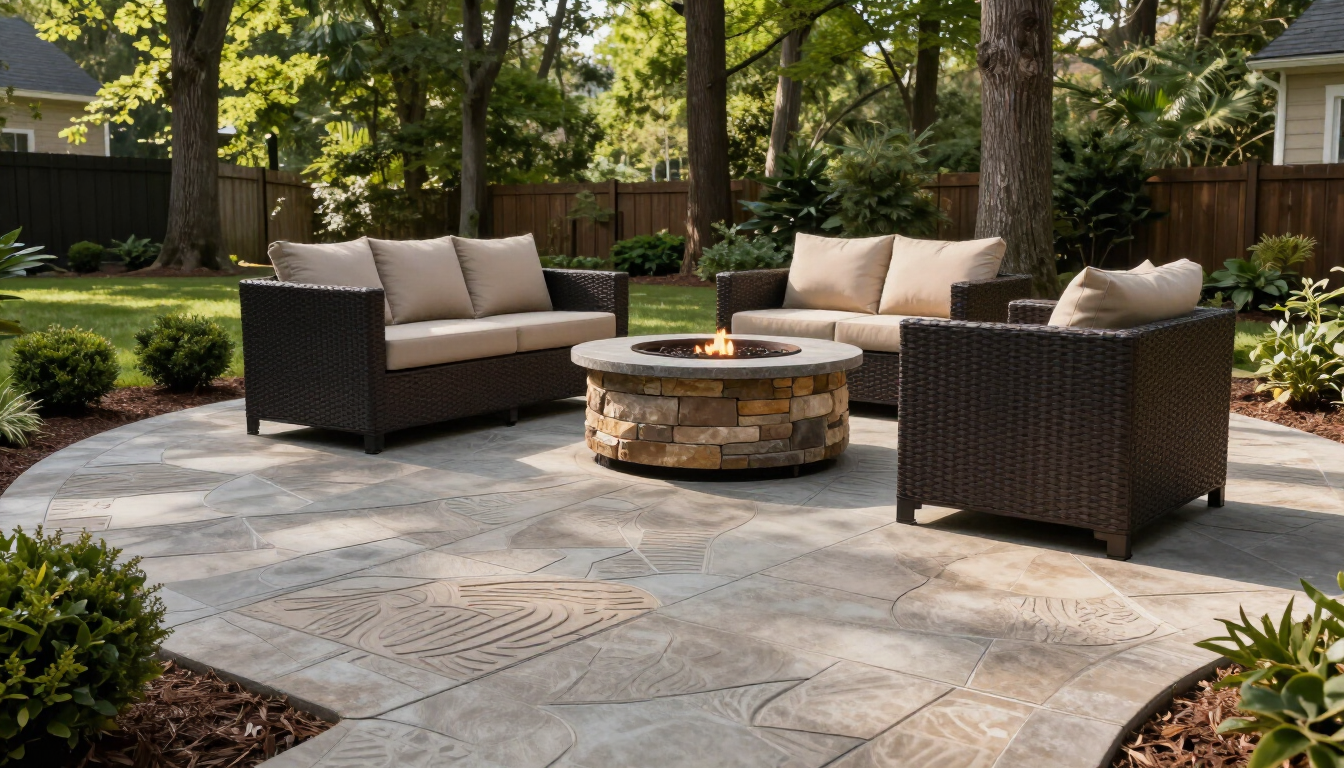
Stamped concrete is perhaps the most requested service for concrete patios because it offers the look of expensive masonry at a fraction of the cost. By pressing large rubber mats into semi-wet concrete, contractors can create patterns that look like slate, cobblestone, or even hardwood planks. Stained concrete, on the other hand, focuses on color depth. Using acid-based or water-based stains, professionals can create a mottled, marbled effect that penetrates the surface for long-lasting vibrancy. This is often used to complement the existing architecture of homes in areas like Arlington, VA .
Beyond just looks, these finishes add structural value. A well-executed decorative finish includes high-quality sealants that protect the concrete from moisture, UV rays, and oil spills. This is particularly important for concrete driveways that face heavy vehicle traffic and the harsh freeze-thaw cycles common in the Mid-Atlantic region. By opting for a decorative finish, you are not just painting a surface; you are investing in a multi-layered system designed for both beauty and endurance.
Popular Stamped Concrete Patterns for Northern Virginia
When homeowners in Northern Virginia look to upgrade their outdoor living spaces, they often lean toward patterns that reflect the traditional and colonial heritage of the region, mixed with modern clean lines. Stamped concrete offers the flexibility to achieve both.
One of the top choices is the Ashlar Slate pattern. This design uses rectangular stones of varying sizes arranged in a non-repeating pattern. It provides an elegant, high-end look that fits perfectly with the stately homes found in Alexandria, VA . Another frequent favorite is London Cobblestone , which offers a more old-world, rustic charm, ideal for historical properties or garden walkways.
For those looking for a contemporary edge, Wood Plank stamps are gaining massive popularity. These stamps replicate the grain, knots, and texture of natural wood without the maintenance headaches of a traditional wooden deck. You get the warmth of timber with the structural integrity of a reinforced concrete foundation. Other common patterns include:
- Fan-Patterned Brick: Ideal for circular driveways or entryways.
- European Fan: A sophisticated stone layout that draws the eye.
- Seamless Texture Mats: These provide a continuous stone texture without deep grout lines, making them easier to clean.
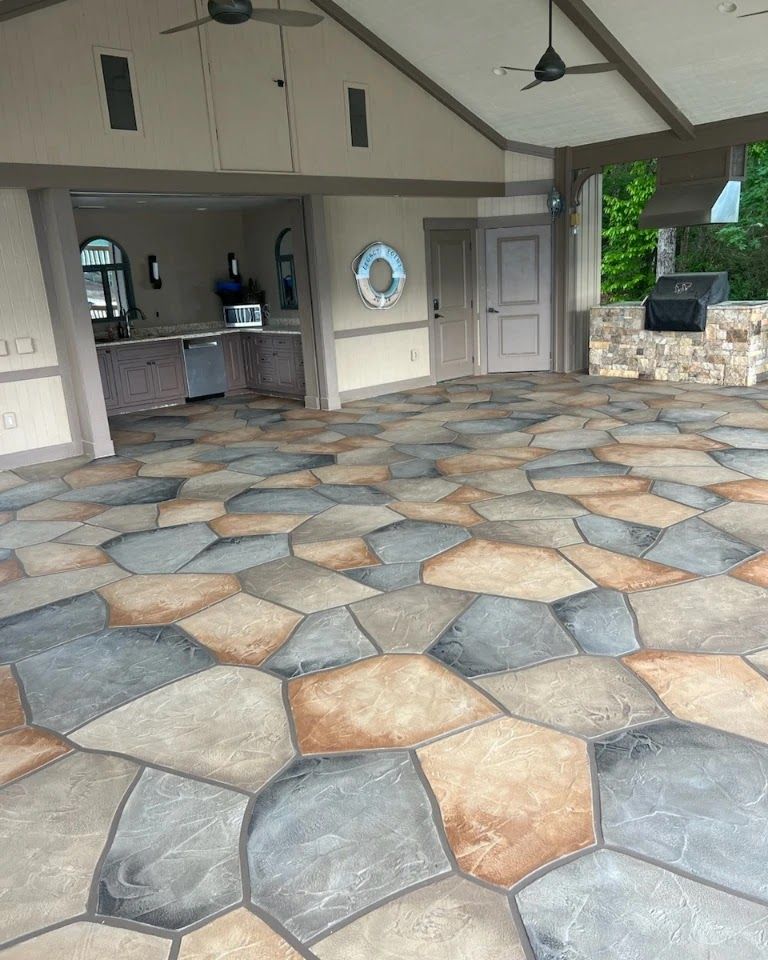
- Random Stone: Replicates the look of fieldstone or flagstone.
- Running Bond Brick: A classic choice for concrete walkways .
How do I choose the right color for my concrete patio?
Selecting a color for your concrete is just as important as the texture. The right hue should complement your home’s siding, roofing, and surrounding landscape. In Northern Virginia, many homeowners opt for earth tones—tans, browns, and soft greys—that blend seamlessly with the natural environment.
There are two primary ways to color concrete: Integral Color and Color Hardener . Integral color is mixed directly into the concrete truck before the pour. This ensures that the color goes all the way through the slab. If the concrete ever chips, the color underneath is the same as the surface. This is a "set it and forget it" method that provides a consistent, matte base.
Color Hardener, or "shake-on" color, is applied to the surface of the wet concrete. This method allows for much more vibrant and varied colors. It also makes the surface of the concrete denser and more resistant to abrasion. For a truly professional look, contractors often use a Release Agent in a contrasting color. For example, if you choose a tan base for a slate pattern, a dark charcoal release agent will settle into the "grout" lines of the stamp, providing depth and highlighting the texture to make it look like real stone.
Textures and Non-Slip Finishes for Safety
While aesthetics are vital, safety is a non-negotiable factor for any outdoor surface, especially around pools or on sloped concrete walkways . Standard smooth-troweled concrete can become incredibly slippery when wet. Decorative finishes solve this through intentional texturing.
Exposed Aggregate is a classic texture where the top layer of cement paste is removed to reveal the decorative stones (aggregates) underneath. This creates a highly slip-resistant, rugged surface that is perfect for heavy-duty use. For a more subtle approach, a Broom Finish can be applied to colored concrete, creating fine lines that provide traction while maintaining a clean look.
If you prefer the look of a stamped or polished surface but worry about rain or snow, we can incorporate Non-Slip Additives into the final sealant layer. These are nearly invisible micronized resins or clear grits that provide "grip" without altering the appearance of your beautiful finish. This is an essential consideration for homeowners in Reston, VA and Fairfax , where winter weather can turn a beautiful patio into a skating rink overnight.
Why choose decorative concrete over traditional pavers?
One of the most frequent questions we receive is whether to use decorative concrete or individual stone pavers. While both have their merits, decorative concrete often comes out on top for Virginia homeowners due to its longevity and lower maintenance requirements.
Traditional pavers are prone to shifting over time as the ground settles. This creates uneven surfaces that can become tripping hazards. Furthermore, the gaps between pavers are breeding grounds for weeds and moss, requiring constant weeding and the re-application of polymeric sand.
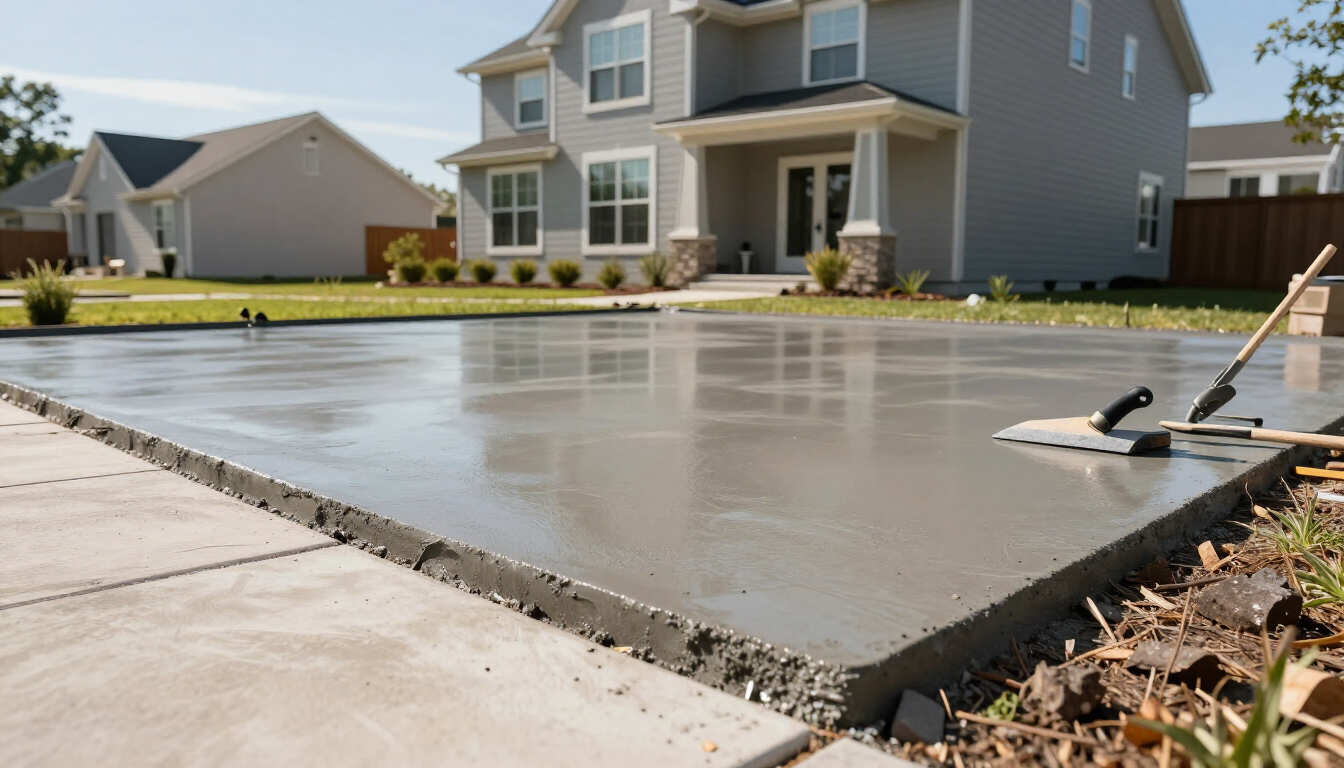
Decorative concrete, specifically a reinforced slab, provides a continuous, solid surface. Because the "grout lines" are actually stamped into the concrete, there is nowhere for weeds to grow. When properly installed by a team like Concrete Sergeant, with a solid base and appropriate rebar reinforcement, a decorative concrete surface will remain level for decades. Additionally, the cost of labor for laying individual stones is significantly higher than pouring and stamping a single slab, making decorative concrete a more cost-effective way to achieve a high-end look in areas like McLean or Springfield, VA .
How does weather affect concrete finishes in Virginia?
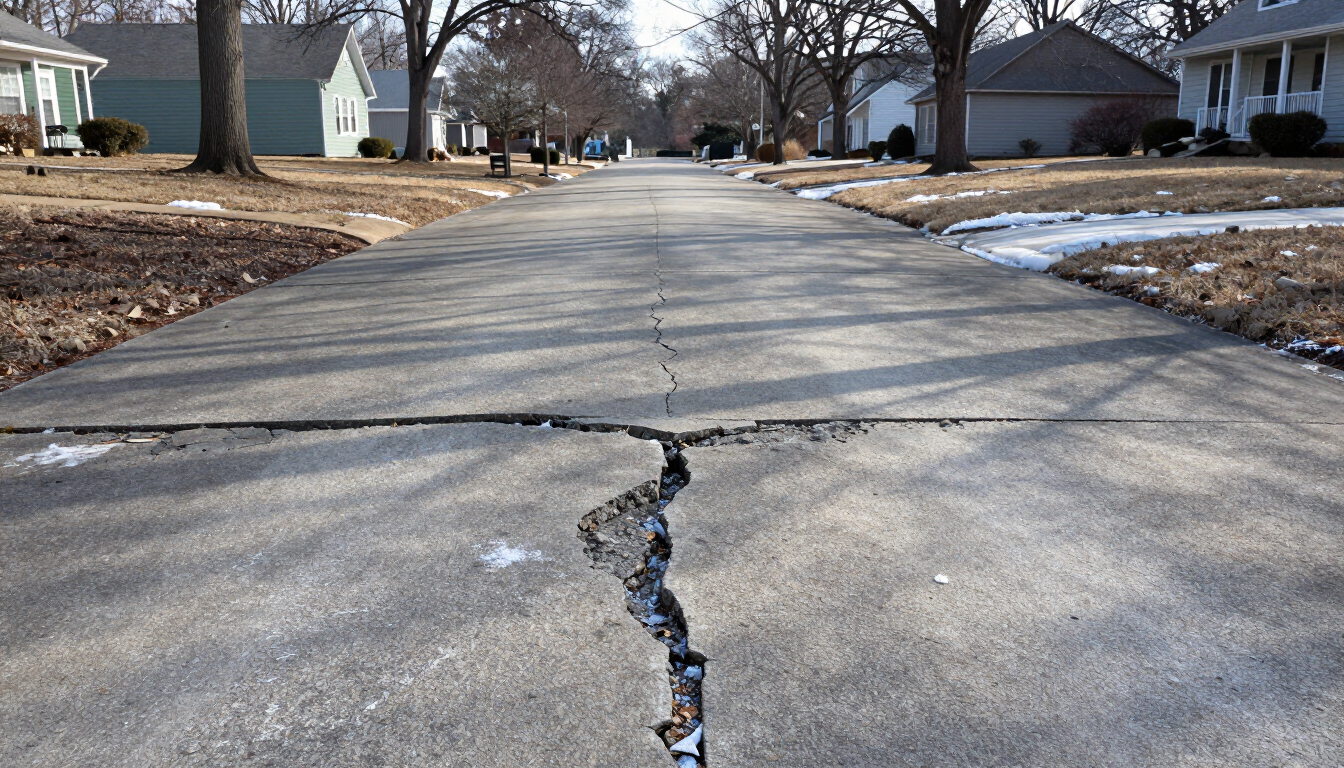
Northern Virginia experiences a full range of weather, from humid summers to freezing winters. This climate puts unique stress on outdoor surfaces. The primary enemy of concrete is the Freeze-Thaw Cycle . This happens when water seeps into the pores of the concrete, freezes, and expands, eventually causing the surface to flake or crack (a process known as spalling).
To combat this, professional decorative concrete must be "Air-Entrained." This means millions of microscopic air bubbles are incorporated into the mix, giving the water room to expand without breaking the concrete. Furthermore, the choice of sealant is critical. A high-quality, breathable solvent or water-based sealer acts as a shield, preventing moisture from entering the slab in the first place. For homeowners in Leesburg, VA or Sterling, VA , we recommend resealing your decorative concrete every 2-3 years to maintain that protective barrier and keep the colors looking vibrant against the summer sun.
Essential Maintenance Tips for Decorative Surfaces
Maintaining the beauty of your decorative concrete is surprisingly simple compared to other materials. Because the surface is sealed, dirt and grime generally sit on top rather than soaking in. For routine cleaning, a simple garden hose and a mild dish soap are usually all that is required. Avoid using harsh chemicals or power washers at maximum pressure, as these can strip the sealer prematurely.
In the winter, be extremely careful with de-icing salts. Sodium chloride and other salts can chemically attack the concrete and the sealer. Instead, use sand for traction or look for "concrete-safe" ice melts that do not contain ammonium nitrates or sulfates. If you notice the luster of your stamped concrete beginning to fade, it is likely time for a fresh coat of sealer. This simple step can make a ten-year-old patio look brand new again.
Key Takeaways for Your Decorative Concrete Project
Enhancing your home with decorative concrete is a smart investment that combines artistic flair with rugged durability. Whether you are building a new concrete patio or upgrading your curb appeal, remember these core points:
- Match the Pattern to Architecture: Use Ashlar Slate for traditional homes and Wood Plank for modern or rustic vibes.
- Prioritize Safety: Always opt for non-slip textures or additives in high-traffic or wet areas.
- Choose the Right Coloring Method: Use integral color for deep durability and shake-on hardeners for vibrant accents.
- Maintenance is Key: Reseal every few years and avoid harsh salts to protect your investment from Virginia's winters.
- Consult Professionals: Ensure your contractor understands local soil conditions and uses air-entrained concrete for long-term success.